What is the new pursuit when the economic aggregate continues to step up to a higher level?
When factor input is difficult to drive economic growth, where is the new kinetic energy?
When the global competition becomes increasingly fierce and a new round of scientific and technological industry transformation is coming, how will China respond?
The answer is innovation.
Drive development with innovation. From running together and then leading, from quantity accumulation to qualitative leap, from point breakthrough to system capacity improvement, in the past decade, from development concept to development path, historical changes have taken place and historic breakthroughs have been made.
The ranking of China’s global innovation index continues to climb, from 34th to 11th from 2012 to 2022, and it has successfully entered the ranks of innovative countries.
Innovation, the first driving force for development, is pulling China to achieve one new breakthrough after another on the road of high-quality development.
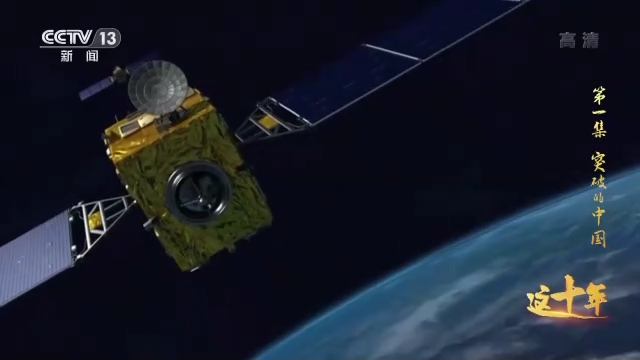
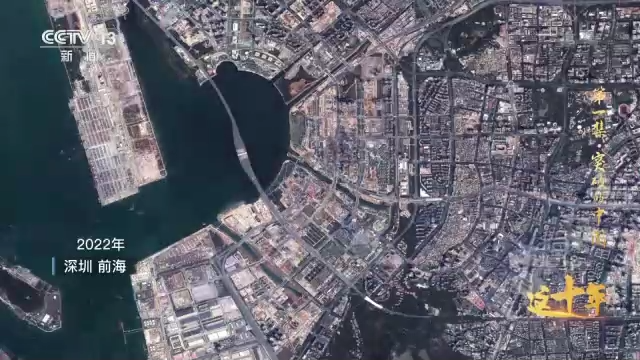
Since 2013, China has launched a number of high-scoring satellites, which can observe the subtle changes in its territory. This is one of the areas where the spatial form of China has changed the most in the past ten years — — Shenzhen qianhai.
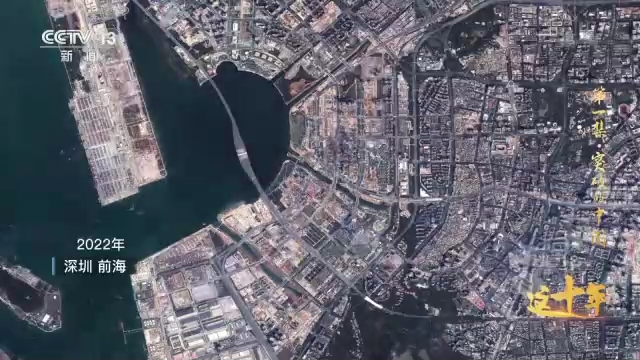
In 2012, Qianhai was still a muddy beach. In the past ten years, buildings with innovative passwords have grown out of the land.
In Qianhai Shenzhen-Hong Kong Youth DreamWorks, Innovation Center, Talent Station and Entrepreneurship College, entrepreneurs can enjoy the whole process service from company registration to listing, and 601 teams complete business incubation here, including 331 teams in Hong Kong.
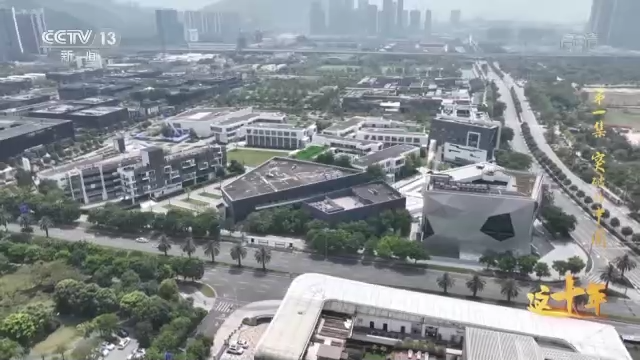
Less than two kilometers away from DreamWorks, it is Qianhai Shenzhen-Hong Kong International Financial City, which has been in operation for less than a year, and 195 financial institutions have signed up, injecting a steady stream of financial support for entrepreneurial innovation.
In China (Shenzhen) Intellectual Property Protection Center, on average, nearly 500 patents have been applied for every working day, and more than 6,000 related businesses such as patent acceptance, transformation and application have been handled.
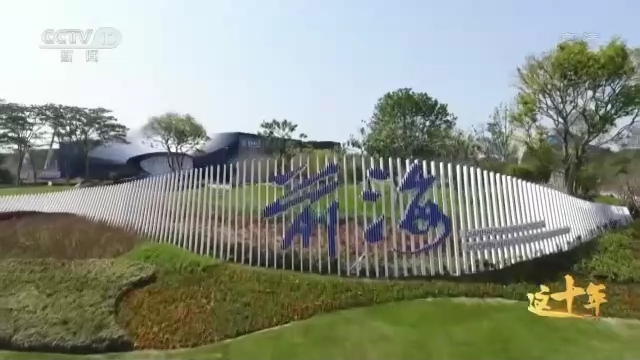
Today, Qianhai has launched a total of 685 institutional innovations, of which more than 80 have been replicated and promoted nationwide.
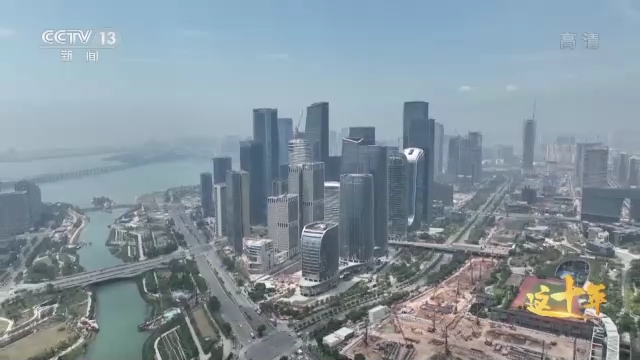
When we expand our vision from Qianhai to the whole country, we will find that innovation has been everywhere.
Nowadays, searching for the word "innovation" on navigation software will get a total of more than 50 thousand destinations. In the past ten years, they have been mainly distributed in the eastern coast and extended to the central and western regions, and now they have spread all over the country.
Looking through the five-year national science and technology plans in recent years, we find that the name of the "science and technology development plan" during the "Twelfth Five-Year Plan" has changed from the "Thirteenth Five-Year Plan" to "science and technology innovation plan". From development to innovation, the word change and the difference between the two words not only emphasize "innovation" unprecedentedly, but also reflect a brand-new development concept.
We collected the "Twelfth Five-Year Plan" and "Thirteenth Five-Year Plan" of 31 provinces, autonomous regions and municipalities, and analyzed the data of 62 documents with more than 1.5 million words. The frequency of the word "reform" soared from 244 times in the Twelfth Five-Year Plan to 748 times in the Thirteenth Five-Year Plan, and the frequency of the word "innovation" soared from 3484 times in the Twelfth Five-Year Plan to 7793 times in the Thirteenth Five-Year Plan. The frequency of "basic research" increased from 184 times to 300 times.
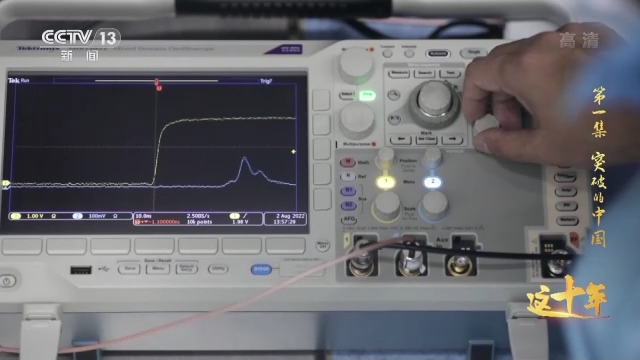
At the xi he Laser Facility of Shanghai Institute of Optics and Mechanics, Chinese Academy of Sciences, researchers adopted a number of innovative schemes and obtained the highest brightness and lowest energy dispersive electron beam in the world.
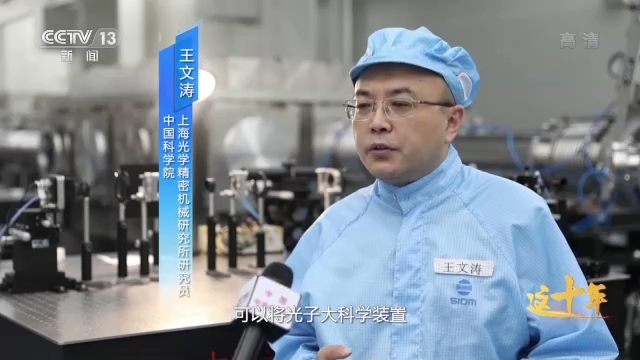
Wang Wentao, a researcher at Shanghai Institute of Optics and Fine Mechanics, Chinese Academy of Sciences: Based on this research, the photon scientific apparatus can be compressed to the size of a desktop, realizing the leap-forward development from following to leading.
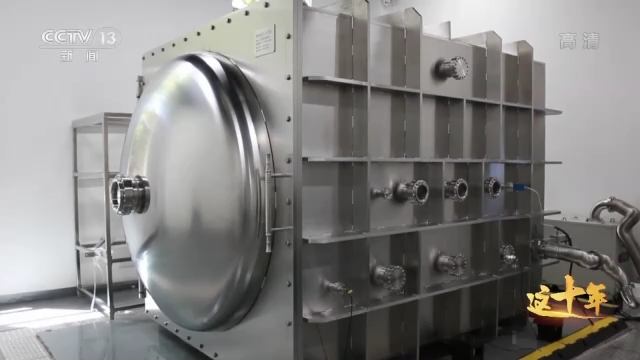
In Wuhan, Hubei Province, large scientific devices such as pulsed high-intensity magnetic field experimental device and several national key laboratories have been put into use. In the precision gravity measurement research facility, the scientific research team has developed the highest precision space inertial sensor in China.
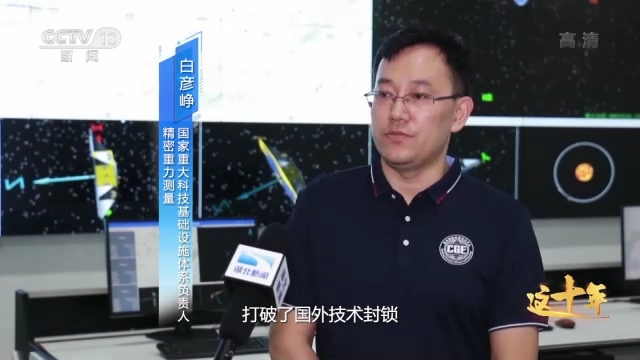
Bai Yanzheng, head of the national major scientific and technological infrastructure system for precision gravity measurement, broke the technical blockade of foreign countries and successfully conducted many on-orbit tests such as the "Tianzhou-1" cargo spacecraft and the "Tianqin-1" satellite.
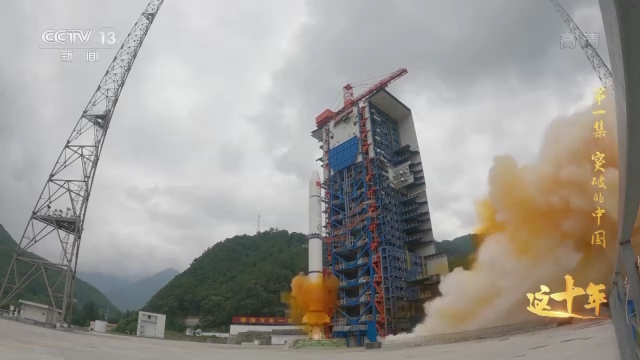
Ignite the engine of innovation and inspire endless power.
The "Implementation Plan for Deepening the Reform of Science and Technology System" promulgated in 2015 put forward a total of 143 key tasks. With the continuous deepening of the reform, one task was gradually lit up on the construction drawing, and it was all completed by 2021.
How can the kinetic energy of innovation remain strong? From the flow of various factors of production in the last decade, we continue to look for answers.
We analyzed nearly 300 "unicorn" enterprises in China, and found that their founders had something in common. 74% of them have master’s or doctoral degrees; 76% of them have technical background; One third of them have overseas study experience. When they started their business, their average age was only 38.
Young talents are becoming the main force of innovation in China. The average age of quantum science team is 35 years old, the average age of Chang ‘e team and Shenzhou team is 33 years old, the average age of the new generation Beidou navigation satellite development team is 31 years old, and the average age of the Tianyan FAST research and development team is 30 years old.
Among the more than 8 million researchers in the world, less than 1% can publish papers that are cited by high frequency, so they are called "highly cited scientists". In 2021, there were 935 people in China who won this honor, which was seven times that of 2014. The research fields covered materials science, computer science, biology and so on.
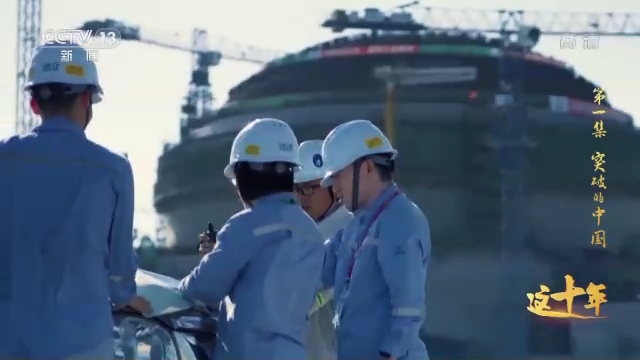
In the past ten years, the construction of high-speed railways and 5G networks has led the world, and major breakthroughs have been made in manned spaceflight and Mars exploration. The scale of new energy vehicles and new display industries ranks first in the world. China is making greater contributions to the progress of human science and technology.
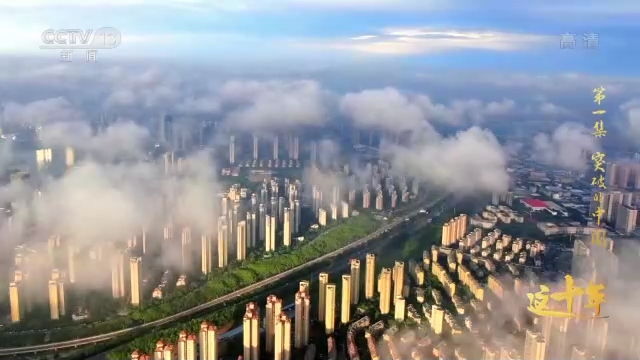
Yangtze River Delta and Pearl River Delta are important growth poles of China’s economy. In an area where land space is so scarce, how to use the baton of innovation to gather factor resources? How to improve land use efficiency and better support the growth of emerging industries? Everywhere is constantly exploring the way to crack. Anhui, located in the Yangtze River Delta, turned its attention to those inefficient and idle stock construction land.
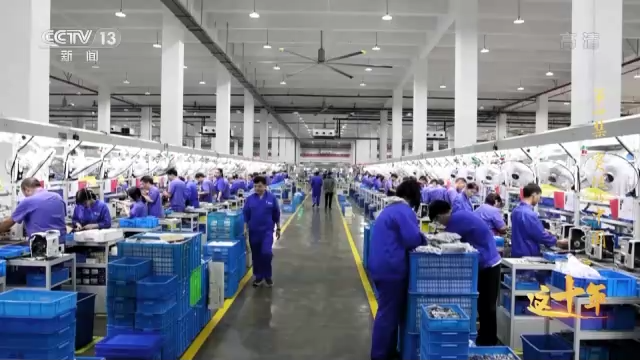
As the head of the Innovation, Transformation and Upgrading Office of Hefei Economic Development Zone, Li Zhengmao’s recent work focuses on the land. Hefei Economic Development Zone is called "the first industrial zone in Anhui". However, as the scale of the park continues to expand, the growing troubles are increasingly prominent.
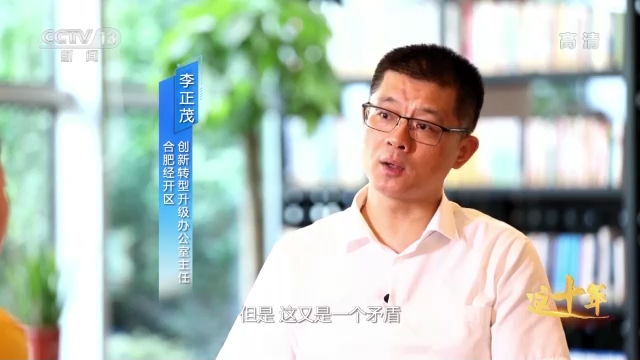
Li Zhengmao, director of the Innovation, Transformation and Upgrading Office of Hefei Economic Development Zone: We must develop some new industries with high added value, but this is another contradiction. Why, there is no land.
On the one hand, the profits of a large number of processing enterprises are getting thinner and thinner, and on the other hand, there is no land available for the booming emerging industries. How to jump out of the quagmire of industry wandering in the low-end and make limited land resources create greater value?
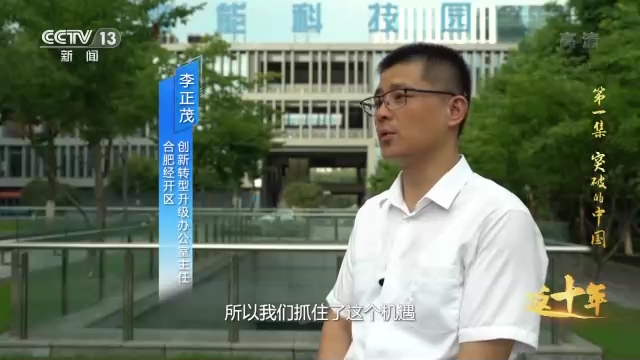
Li Zhengmao, director of the Innovation Transformation and Upgrading Office of Hefei Economic Development Zone: We were indecisive at that time. In 2016, after the arrival of the General Secretary of the Supreme Leader, we proposed scientific and technological innovation, so we seized this opportunity. Finally, everyone decided that we should test the water first.
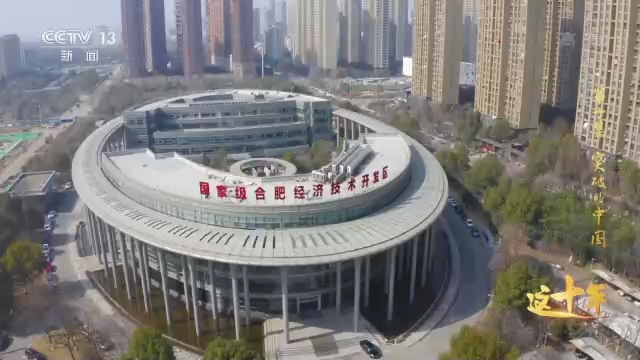
In 2017, Hefei became a comprehensive national science center. Hefei Economic Development Zone began to explore the "industry+science and technology" model, carefully calculated the land, classified the enterprises in the area according to many indicators such as per mu revenue, profit and R&D investment, and implemented differentiated land use policies and fiscal policies, which forced the economy to accelerate transformation and upgrading.
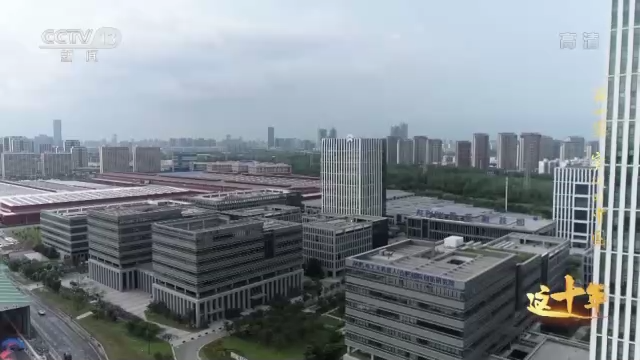
There are 724 mu of land originally belonging to a construction machinery enterprise, which was re-planned as an intelligent science and technology park after being reclaimed for a long time. Robot research institute, integrated circuit R&D center and new energy vehicle headquarters have successively settled down, which has led to a number of 100 billion industrial chains. The land is still the same, but the benefit per mu of land has increased from 150,000 yuan in 2013 to 370,000 yuan, more than doubling.
In conjunction with the National Information Center, we summarize the land that is auctioned, auctioned and sold every month in all cities in the Yangtze River Delta and the Pearl River Delta, and use post-it notes of different colors to represent the different uses of the newly added land. Blue represents industrial land, yellow represents residential land and green represents other land, and each post-it note corresponds to 1 percentage point. Under the premise of "strictly observing the red line of cultivated land", the proportion of industrial land in new construction land increased from 43% in 2013 to 49% in 2021, an increase of 6 percentage points, and the proportion of residential land remained basically stable. In the past 10 years, the total amount of construction land in China has increased by 26.5%, but the total economic output created in the same period has more than doubled.
Seen from the satellite, China’s economic structure can be clearly seen.
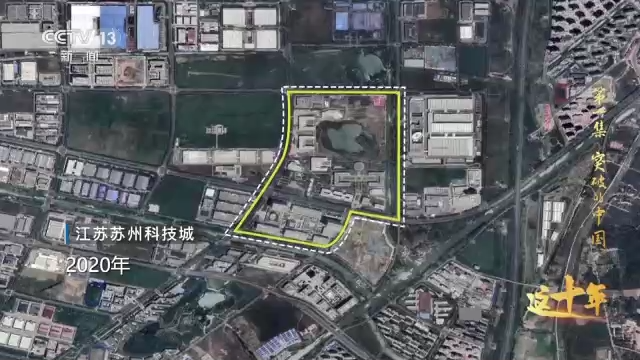
In suzhou science and technology town, Jiangsu Province, in 2020, a new generation of information technology industrial clusters will grow, and there will be more than 40 high-tech enterprises in high-tech fields such as industrial Internet and cloud computing.
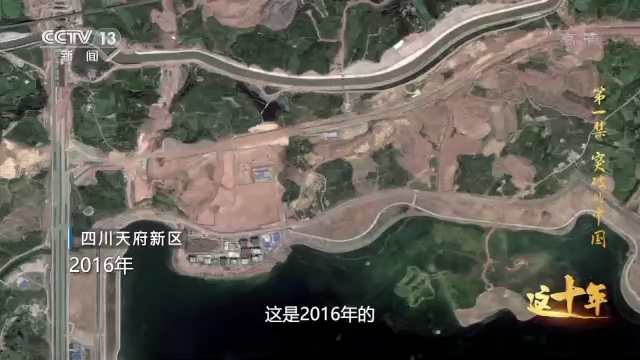
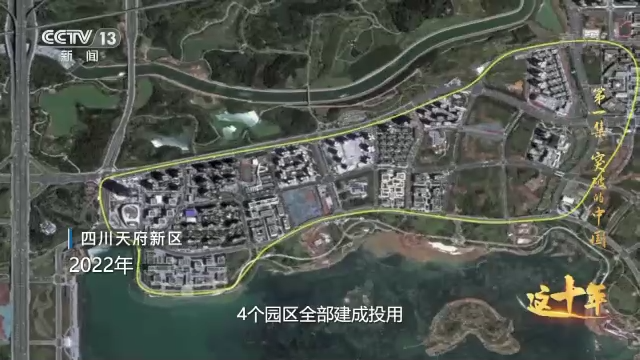
In Tianfu New District, Sichuan, in 2022, all four parks of Tianfu New Economic Industrial Park were completed and put into use, and more than 120 major digital economy projects have been launched.
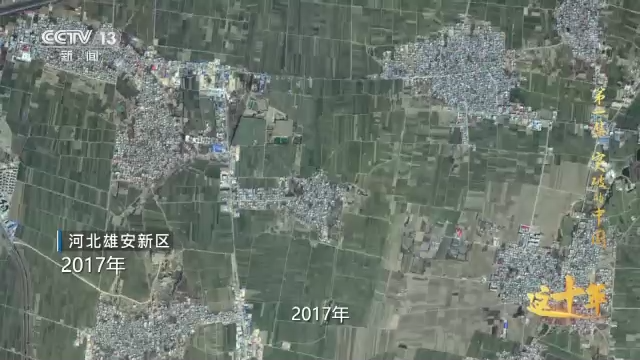
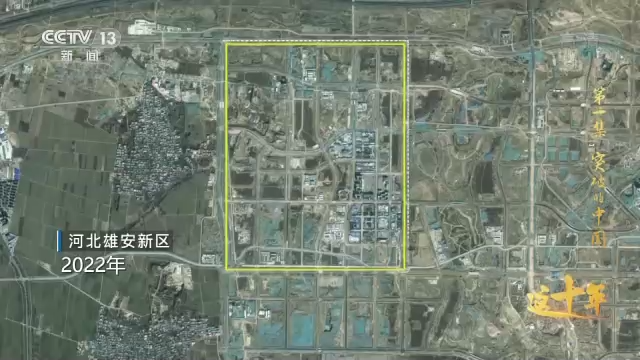
In 2017, xiong’an new area was established. In 2022, Xiong ‘an Innovation Research Institute of China Academy of Sciences is speeding up its construction, coordinating the innovation resources of 16 institutes and universities of Chinese Academy of Sciences, and promoting integrated innovation and transformation of key technologies.
In the past ten years, the number of national independent innovation demonstration zones has increased from 3 to 23, and the number of national high-tech enterprises has increased from 49,000 more than ten years ago to 330,000.
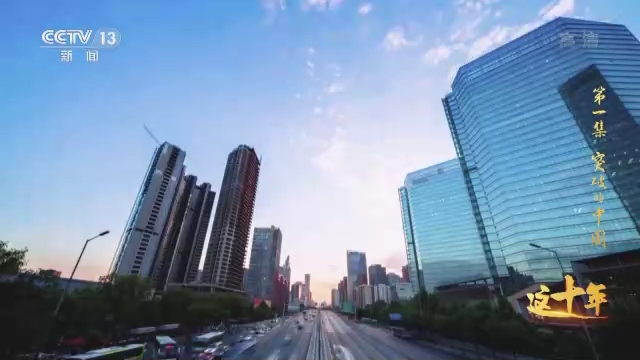
Where the money goes is also a weather vane to observe the economy. China has now become the second largest capital market in the world, with hundreds of millions of funds flowing in the stock market every day.
In 2012, among the 19 industry categories of domestic A-share listed companies, the top three enterprises were manufacturing, wholesale and retail, and real estate. In 2021, the number of listed manufacturing enterprises more than doubled, and information transmission, software and information service industries rose to the second place. The number of scientific research and technical service enterprises has increased from 13 to 97, making it into the top ten.
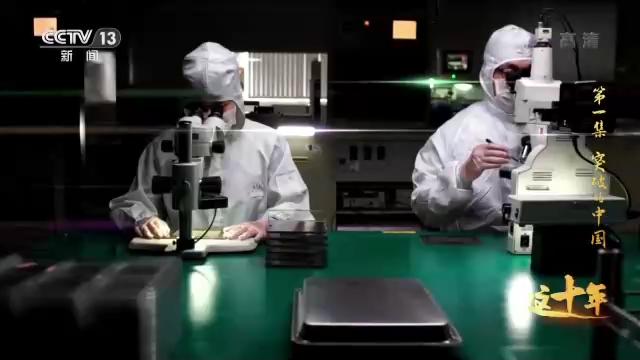
Behind the vicissitudes of the capital market is the advance and retreat and replacement of old and new industries. The industrial agglomeration effect of "hard technology" is more obvious in science and technology innovation board.
From the opening of science and technology innovation board in 2019 to the first half of 2022, in just three years, 429 companies went public in science and technology innovation board, raising a total of more than 610 billion yuan. In 2021, the R&D investment of listed companies in science and technology innovation board accounted for 10.3% of the revenue. In the past decade, the credit supply in manufacturing, science and technology enterprises and other fields has been expanding, and the high-level cycle between science and technology, capital and real economy is being opened.
In the new era, China needs to break the growth bottleneck with scientific and technological innovation more than ever before.
On the vast territory, there are over 2 million 5G base stations scattered all over the world. Besides hundreds of millions of mobile phones, there is also a huge user base, that is, factories.
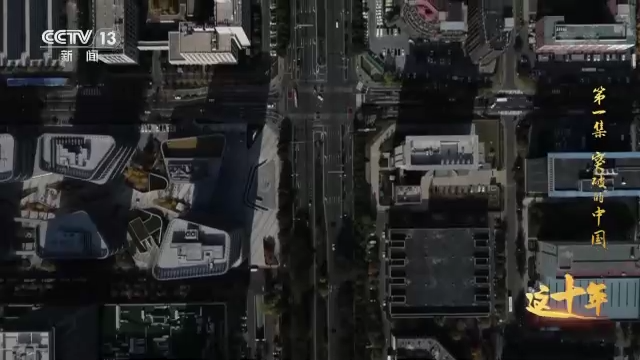
When night comes, the flashing lights in the smart factory indicate that production is in full swing. More than 200 high-definition cameras and more than 8,000 sensors collect production data in real time, and the machine can automatically perceive, transmit and diagnose problems by analyzing the data, thus completing fully automatic production.
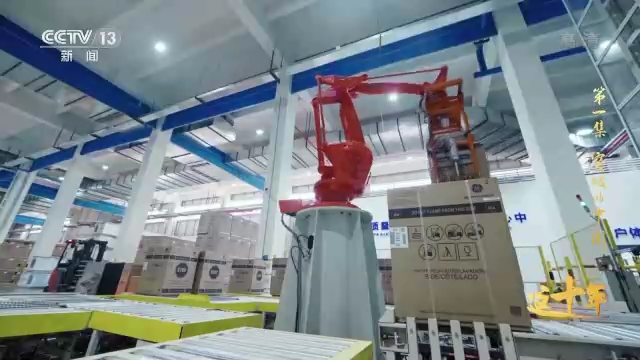
In the National Industrial Internet Big Data Center, China’s industrial Internet platform brings together millions of digital factories, and the total number of networked devices exceeds 70 million sets. According to the geographical location information of each device, we print the 15 provinces with the most networked machines on film, and at the same time print the 15 provinces with the largest decline in the working-age population in China on another film. When the two films overlap, we find that these provinces basically overlap. The wave of digital transformation is hedging the impact of demographic dividend changes and continuously improving the production efficiency of manufacturing industry.
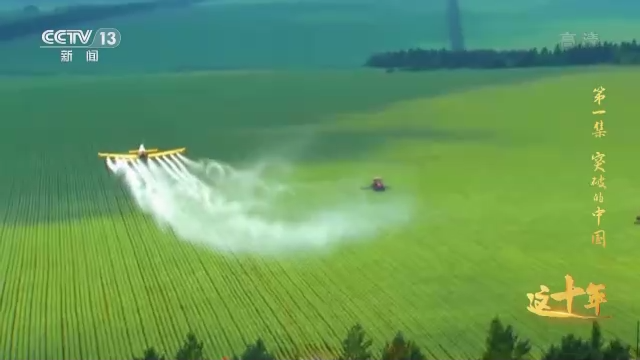
Innovation not only reshapes factories, but also rebuilds farmland.
According to the flight trajectory of tens of thousands of agricultural drones, we have generated a data map, which shows that clusters of light clusters change with the seasons and appear in the main agricultural producing areas from south to north. In September, light and shadow began to gather in Xinjiang.
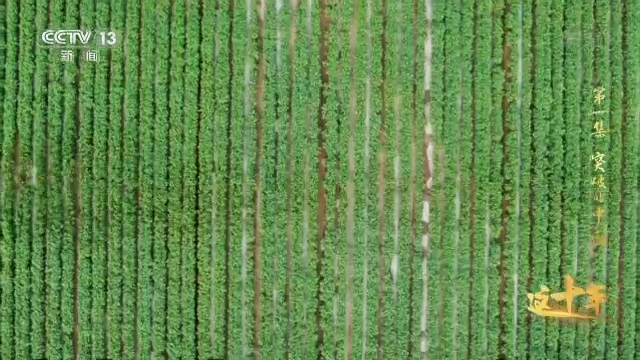
The southern foot of Tianshan Mountain, Bayinguoleng Mongolian Autonomous Prefecture, Xinjiang, has sunshine for more than 3,000 hours all year round, which is one of the most suitable land for cotton growth on the earth.
In 2021, some young figures appeared in this ancient and vast cotton field.
Two "post-90 s" boys, four agricultural drones and more than 300 sets of intelligent equipment have completed the 3000-mu cotton experimental field from planting to harvesting, which is a challenge that has never been seen before.
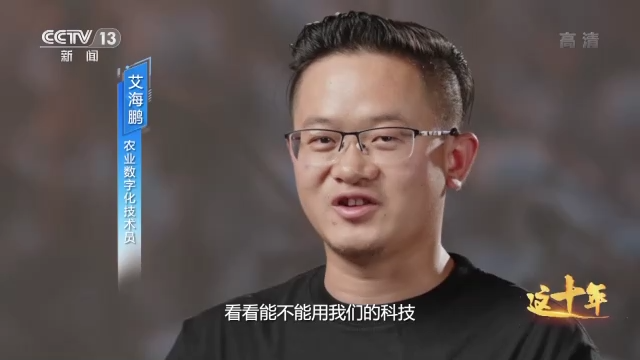
Ai Haipeng, agricultural digital technician: Actually, when I just took over the project of two people challenging the 3000-mu "super cotton field", I felt very excited at first, to see if we could use our technology to bring some new changes to agriculture.
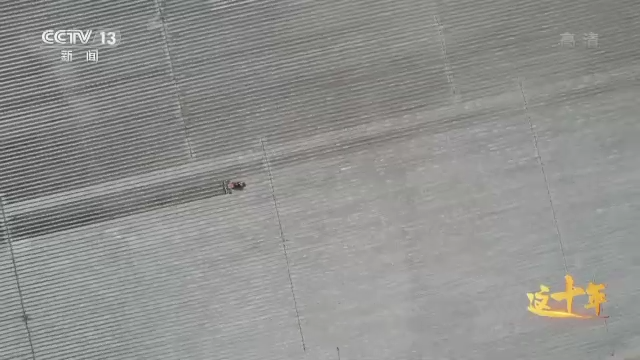
Although the villagers don’t believe it, Ai Haipeng and Ling Lei are full of energy. With the help of high-precision navigation and automatic driving technology, the unmanned seeder dragged straight traces on the earth, and soon, cotton seedlings broke ground.
However, just as they were full of confidence and ready for a big fight, a wind disaster raided the farm.
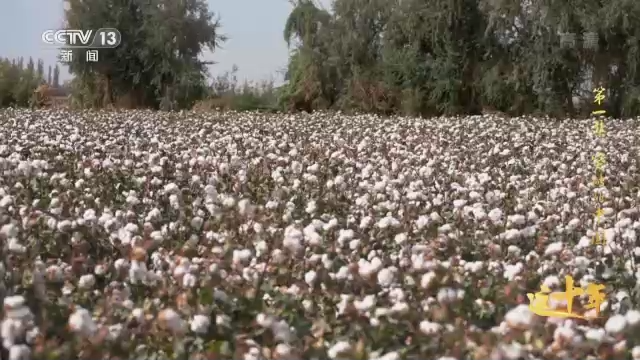
An 8-level gale killed half of the cotton seedlings that had grown gratifying. With the remote support of the R&D team, the intelligent mechanical equipment was fully powered and the replanting work was completed efficiently. Spring goes and summer comes, and unmanned farms are getting better and better. In the past, fertilizers that needed manual stirring, pump rooms guarded day and night, more than 100 manually turned valves, and dozens of tons of pesticides sprayed on the shoulders can now be handled by a small tablet computer. The unmanned operation rate has reached 60%, and the cost per mu has been reduced by several hundred yuan. In autumn, the songs of cotton pickers flock to the horizon, looking at the farthest place, and you can’t tell whether it is cotton or white clouds. A year’s hard work has turned into the joy of harvest at this moment.
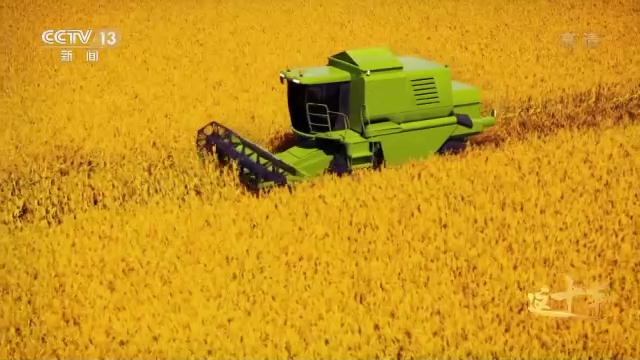
In the past ten years, the comprehensive mechanization level of crop cultivation and harvest in China has increased from 57% to more than 72%, and the mechanization rates of rice, corn and wheat have exceeded 85%, 90% and 97% respectively, which has strongly supported the 18-year continuous grain harvest in China. Scientific and technological innovation is pushing agriculture towards modernization at an unimaginable speed and intensity, which is a new breakthrough that China, a traditional agricultural country, has never had before.
The wave of digitalization has also reshaped the social division of labor. In the past ten years, China has revised the national occupational classification ceremony promulgated in 1999 twice. In the newly publicized occupational classification ceremony, digital occupational signs appeared for the first time, with a number of more than 90. Robot engineer, additive manufacturing engineer, business data analyst and agricultural digital technician … … As can be seen from these new professional names, digital professional practitioners are now distributed in all aspects of social production, circulation, distribution and consumption, covering the primary, secondary and tertiary industries.
In the past ten years, the scale of China’s digital economy has increased from 11 trillion yuan to 45.5 trillion yuan, accounting for 39.8% of GDP from 21.6%. The wave of digitalization has also brought about an accelerated improvement in the efficiency of economic and social operations.
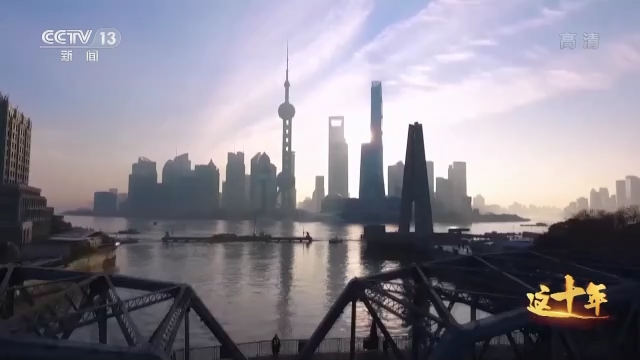
With the help of professionals from the National Bureau of Statistics, we have calculated the changes of the total labor productivity in China in the past ten years. From 2013 to 2021, the total labor productivity increased by 6.8% annually, faster than the average annual growth rate of GDP of 6.6%.
Power change, efficiency change, quality change and innovation are pushing China’s economy to make a historic breakthrough.

Higher, in ten years, the world’s highest 5G base station was opened at the 6,500-meter forward camp of Mount Everest, and the signal covered the summit of Mount Everest.
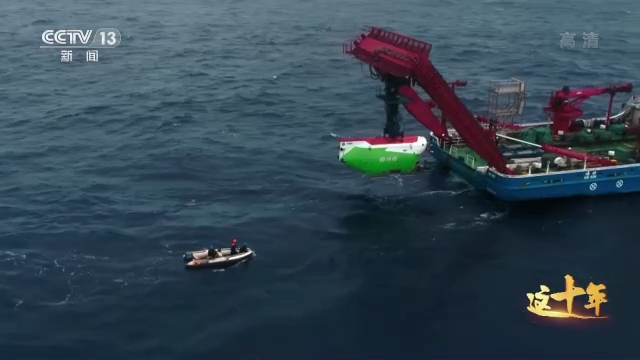
Deeper, in the past ten years, the manned submersible went from 7062 meters to 11000 meters to explore the mysteries of the deep sea.
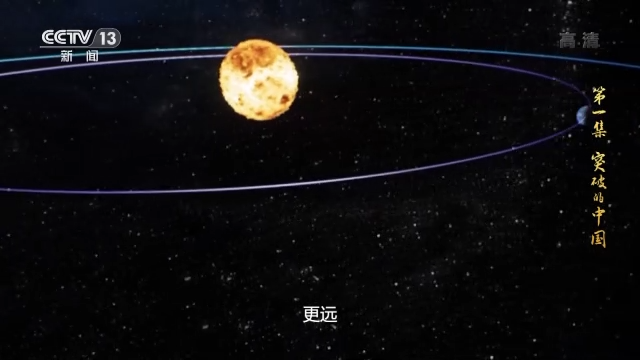
Further, in ten years, the leap from the Earth-Moon system to the interplanetary system was realized, and Zhu Rong left its mark on Mars 400 million kilometers away.
A bustling city, a thriving village, a vibrant enterprise, and countless hard-working Chinese are gathering together to make a continuous progress and breakthrough in China.