"Stealth" box office broke 100 million, Andy Lau recalls 20 years of brotherhood with Lin Jiadong


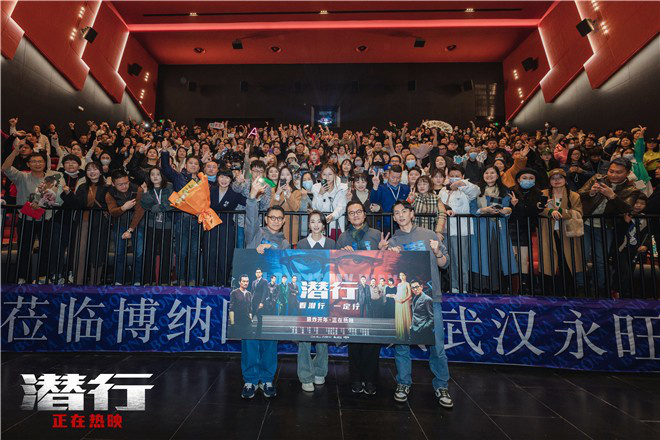
1905 movie network news The crime action movie is hot, so far, the cumulative box office 112 million. On December 30, the national roadshow of "Stealth" came to Wuhan, and the film producer and star brought actors, and interacted with the audience after the screening.


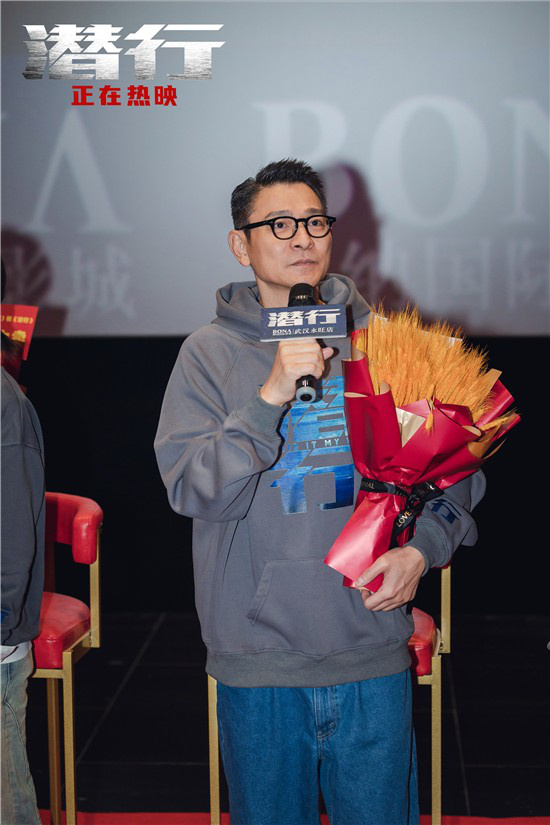
At the roadshow, Andy Lau shared that the cast of "Stealth" is like a family, and affectionately called the audience his "good friends". One audience member said that he liked Lin Zhuan’an’s fantasy of a better life at the end of the film, and asked Lau what would Lin Zhuan’an’s life be like if there was a parallel time and space. Lau Dehua replied: "Yasser Liu is still my sister-in-law, and then Lin Jiadong, and Zhu Jianran are my brothers, and we are a family."


In addition, Andy Lau also mentioned that he invited Lin Jiadong to play because Lin Jiadong had played many villains before, but he wanted to see him play decent roles, so he invited Lin Jiadong at the first time this time. Lin Jiadong said that Andy Lau, who is a supervisor, is very strict and demanding, and that he needs to present four different acting methods for a play. Andy Lau said that "every performance of Lin Jiadong can surprise me."


When talking about the friendship between the two people who have known each other for more than 20 years, Andy Lau sighed: "I really ate and lived with Lin Jiadong for half a year, and he would share everything with me." Lin Jiadong bluntly said that because Andy Lau gave himself a lot of opportunities, so in the difficult days of the two, they also trusted each other and never gave up, and now they have become better people for each other.

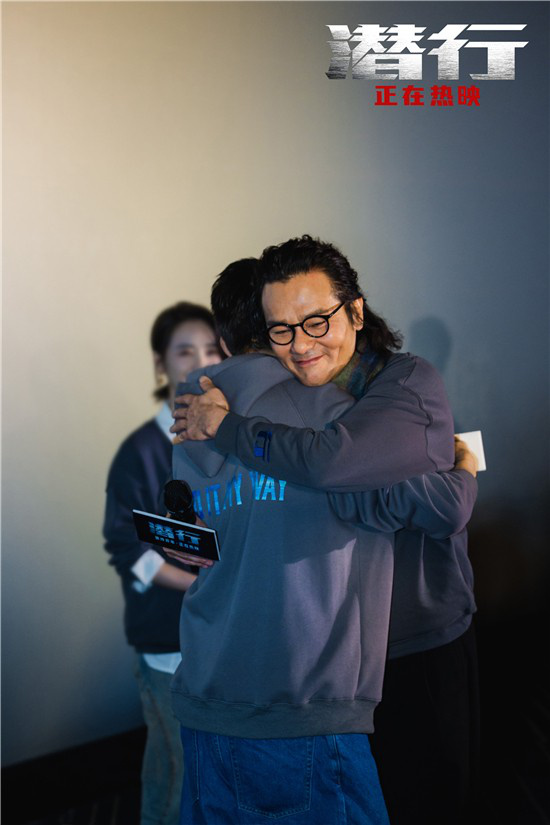
"He has influenced me a lot," he added. "Now I can perform on my own or be a producer, and I hope to give more opportunities to younger actors like him." At the end of the Wuhan roadshow, which was also the last stop of Lin Jiadong’s participation, Lin Jiadong said to Andy Lau that "I will always love you", and Andy Lau responded "I will always love you too. Be healthy and take care of yourself," and the two embraced emotionally.


Liu Yasse mentioned that whether it is "Lin Zhenan’s umbrella tilted towards Vivian on a rainy day" in the film, or "Lin Zhenan subconsciously covered Vivian’s eyes during the wedding to prevent her from seeing the bloody scene", it is Lin Zhenan’s preference for Vivian. Liu Yasse bluntly said: "Because Lin Zhenan and Vivian experienced some things that destroyed their values at the beginning, which caused them to fall into the abyss. How to understand this truth earlier, I don’t think they will do anything illegal. But one wrong step, one wrong step, and it will be doomed."

As the "new sister-in-law" who is deeply loved by everyone, Liu Yasse also sent New Year’s greetings to the audience: "I wish everyone to sweep away troubles, bad luck, stress, anxiety, lack of confidence, and all bad things. The most important thing is to avoid detours."


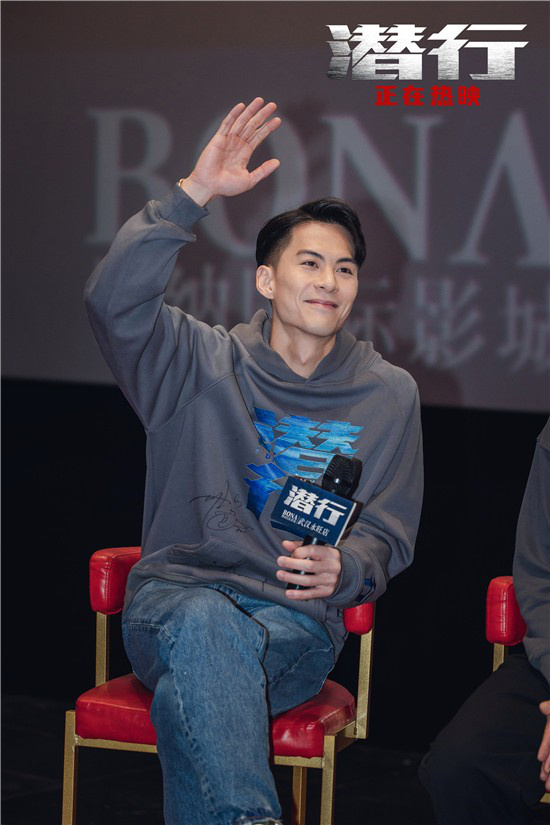
Zhu Jianran said that this was his first time participating in a movie roadshow, and he went to many cities, and he felt very fresh: "From the time I received the role of Anan, I was unbelievable, and now I have experienced so much with everyone, and I am deeply touched. Especially I want to thank Brother Hua for giving me the opportunity, because I first met him when I was filming, and I can’t believe my role is to help Andy Lau organize his clothes. By working together on’Stealth ‘, I have learned a lot from him, and he has also made me find motivation and made me want to be better."


Why did Xie Busheng become the first corrupt official shot in the history of the party’s anti-corruption?

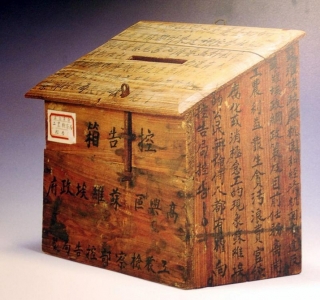
The complaint box for fighting corruption and promoting honesty is now in the National Museum of China.

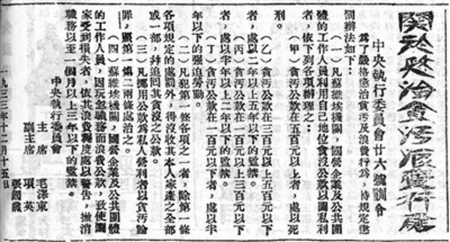
The picture shows the 26th Instruction of the Central Executive Committee — — On punishing corruption and waste. Information picture According to the People’s Court Daily

  □ Huaxi Dushi Bao-cover journalist Huang Yong

  "As a result of the trial in this court, it is considered that the judgment of the Soviet Judgment Department of Ruijin County against Xie Busheng on May 5, 1932 is correct. Xie Busheng’s appeal was rejected, and he was still executed according to the original judgment of the Soviet Judgment Department of Ruijin County. Xie Busheng was executed at three o’clock and all his personal property was confiscated." On May 9, 1932, the Provisional Supreme Court of chinese soviet republic held a hearing on Xie Busheng’s corruption case, and Liang Baitai, the presiding judge and member of the Judicial People’s Committee of the Central Government, read out the verdict.

  At 3 pm, Xie Busheng was executed. The ringing gunshots echoed in the fields and hills in the west of Ruijin City, shaking the whole Soviet area. This was the first shot of the party’s anti-corruption after the establishment of chinese soviet republic. Xie Busheng, chairman of Soviet government in Yeping Village, Ruijin County, became the first corrupt official to be executed since the establishment of chinese soviet republic Provisional Central Government.

  Xie Busheng’s corruption case was a typical case of the red storm of "fighting corruption, eliminating corruption and promoting honesty" in the Soviet area at that time. Chinese soviet republic has just been established. Why does the interim central government keep a high degree of vigilance against corruption and waste? Why did Xie Busheng become the first corrupt official to be shot? What kind of tortuous struggle has it experienced?

  Set up a complaint box

  Central Soviet Area launches anti-corruption struggle.

  In February 1932, the soldiers and civilians in the Central Soviet Area were surprised to find that a special wooden box with the words "accusation box" appeared in the conspicuous places of governments at all levels, units, villages, streets and intersections in the Soviet Area.

  The National Museum of China now keeps a complaint box, which is made of wood and has a size of 16×18×18.5 cm. On the front, the book neatly reads "Complaint Box", and the accusation system of the workers and peasants procuratorate of the Soviet government in Happy District. The top, left and right sides are all filled with the relevant provisions of the accusation with a brush, and the handwriting is clearly visible. This wooden box, which is almost the same as the household newspaper box, is the first accusation box used in the Communist Party of China (CPC) to fight corruption and promote honesty.

  Why did chinese soviet republic, which has just been established for three months, think of using the complaint box to fight corruption and promote honesty?

  From November 7 to 20, 1931, the first National Congress of the Chinese Soviet was held in Yeping Village, Ruijin County, Jiangxi Province, announcing the establishment of the provisional central government of chinese soviet republic and Mao Zedong was elected as its chairman.

  However, the newly-born Soviet regime is still under the intrusion of old ideas, old customs and old habits. Influenced by various non-proletarian ideas, some cadres and staff in party member do not pay attention to their own integrity, and the system is not perfect, which makes some corrupt elements think that they can take advantage of it, leading to serious corruption and extravagance.

  The provisional central government is soberly aware that if corruption cannot be stopped decisively and effectively, put in order’s troops will lose their hearts and minds and combat effectiveness because of self-corruption, which will eventually bring serious consequences to the revolutionary cause of the Party, the Soviet government and the Red Army.

  Mao Zedong particularly emphasized: "The banner of communist party is to overthrow all corrupt officials!" "All government workers should be made to understand that corruption and waste are great crimes." "When the corrupt officials of the Kuomintang are all over the country and the people dare to be angry but dare not speak, this phenomenon is absolutely not allowed under the Soviet system. If Soviet staff find corrupt, slacking and bureaucratic elements, the people can immediately expose their mistakes, and the Soviet Union will immediately punish them and will not tolerate them."

  In February 1932, the government of the Central Soviet Area made a decision to severely punish the corrupt elements among the government staff, calling on the masses to expose and expel the corrupt elements in the government, and setting up a complaint box was one of the measures. In addition, there are four ways to sue: appoint "reliable workers and peasants" who are not full-time to receive the complaint on their behalf, and deliver the mail through the post office. Those who can’t read can complain orally at the complaint office, and where there is a telephone, they can report it to the complaint office by telephone.

  The anti-corruption struggle in the Central Soviet Area kicked off, which also opened the first large-scale anti-corruption action in the history of the CPC.

  A tip-off letter

  Uncover Xie Busheng’s corruption.

  One day shortly after the anti-corruption action began, the Soviet Judgment Department of Ruijin County received a tip-off letter, accusing Xie Busheng, chairman of the Soviet government in Yeping Village, of a series of corrupt acts.

  He Shuheng, Chairman of the Provisional Supreme Court of the Provisional Central Government and Minister of the Workers and Peasants Procuratorate, immediately set up a task force to investigate after reading the letter of accusation. With the deepening of the investigation, Xie Busheng’s violation of discipline and law soon became clear.

  Xie Busheng is a native of Yeping Village. He grew up poor and worked as a day laborer for the landlord at the age of 12. In 1929, Xie Busheng joined the workers and peasants armed riot team and once became the captain of the gathering riot team.

  At that time, the central Soviet area was surrounded and blocked by the white area, and trade was interrupted. The necessary materials in the base area, such as grain and salt, were in short supply, and there was a price difference between the materials. Xie Busheng saw the "business opportunity", left the riot squad and started the material trade business to profit from it.

  In 1930, with the upsurge of the movement of "fighting local tyrants and dividing fields", Xie Busheng saw new "opportunities" and abandoned his business to participate in the struggle of fighting local tyrants and dividing fields. Xie Busheng had many ways to fight local tyrants, fought actively, made many achievements and was absorbed into the party. When the Soviet government in Yeping village was established, Xie Busheng was elected as the chairman of the Soviet government in the village.

  The Soviet Provisional Central Government was built in Yeping Village. Xie Busheng had frequent contact with the Provisional Central Government and the leaders of the Red Army, and was gradually appreciated by the leaders of the Soviet area because of his familiarity with the situation and his capable and decisive handling.

  In 1931, the Red Army in the Central Soviet Area broke the second and third "encirclement and suppression", the ranks of the Red Army were expanded, the number of personnel was greatly increased, and the demand for materials of the Soviet area government also increased, and the materials were in short supply and prices soared. Xie Busheng took advantage of the opportunity familiar with the leaders of the Soviet area to steal the official seal and sell scarce materials.

  The investigation also found that Xie Busheng’s morality was corrupt, his life was corrupt, he lured and forced women to commit adultery, snatched money for his wife, and even secretly killed cadres and Red Army military doctors.

  Witness, irrefutable evidence, He Shuheng decided to arrest Xie Busheng. However, after Xie Busheng was detained, the case investigation encountered considerable resistance.

  Xie Chunshan, Xie Busheng’s party introducer and a member of the Soviet Central Bureau, tried his best to protect Xie Busheng, thinking that he had no big mistake, and said that it was the investigator who deliberately challenged Xie Busheng to avenge himself. Xie Chunshan also framed the workers’ and peasants’ procuratorate in front of the leaders of the Soviet Central Bureau. In the absence of investigation, the leaders of the Soviet C.O. informed the workers and peasants procuratorate and the investigation team to release Xie Busheng.

  He Shuheng did not agree to release people, and arranged for members of the investigation team to report to Mao Zedong urgently. After hearing this, Mao Zedong said seriously: "Fighting corruption is the bounden duty of communist party people, and no one can stop it!"

  Deng Xiaoping, then secretary of the CPC Ruijin County Committee, patted the table and said, "Only a few months after the establishment of our Soviet regime, some cadres were corrupt and corrupt, and they were greedy for bribes and perverted the law. How can people trust our party and our government?" "If corrupt elements like Xie Busheng don’t deal with it, how can I, the county party secretary, explain it to the people?"

  With the firm support of Mao Zedong and Deng Xiaoping, the investigation and handling of Xie Busheng’s case went smoothly.

  Xie Busheng in the second trial

  They all sentenced him to be shot.

  On May 5, 1932, the Soviet Judgment Department of Ruijin County held a public trial of Xie Busheng. Xie Busheng’s crimes were mainly as follows:

  First, the property of the local tyrants is privately owned, and the public funds are swallowed up by 3000 hairy (millicents).

  Second, when Xie Busheng became the chairman of the village government, he used the chairman’s power to rape women, shield rich peasants, change them into middle peasants and accept bribes of more than 300 yuan.

  Third, the wife of Xie Shenrun, a villager who raped Xie Shenrun, said that Xie Shenrun was a member of the "Social Democratic Party" and killed Xie Shenrun by taking revenge.

  Fourth, buy the rice of the masses, fight in and out, and sell it to the "Soviet Union Congress" for more than 270 yuan.

  Five, steal the seal of the central government management department, privately beat cattle and sell them over the mountains, and each cow gets the ocean 3 yuan, which makes a total of the ocean 33 yuan.

  6. In September, 1927, Xie Busheng killed the medical officers of the armies of He Long and Ye Ting at the junction of Ningrui, and took away two gold rings and five Guangyang, as well as pocket watches and carpets.

  Seven, the calf for the two big buffalo sent to the disaster area.

  8. In August 1927, he collaborated with others to rob Qiu’s cloth shop in Ruilin Village, and robbed all the cloth, fresh ocean, chickens, ducks and pigs, and personally got 93 yuan in stolen money.

  Nine, sold his wife, got three scalpers, and sold 1700 cents.

  On this basis, the Soviet Judgment Department of Ruijin County ruled: "According to the sixth instruction of the Central Executive Committee, Xie Busheng was sentenced to death and all his personal property was confiscated. If you are dissatisfied, you can appeal to the Provisional Supreme Court within one week. "

  Xie Busheng thought that he had been the captain of the riot squad, had made contributions to the local tyrants and distributed fields, and appealed to the Provisional Supreme Court of chinese soviet republic. On May 9, 1932, the Provisional Supreme Court upheld the original judgment, and Xie Busheng was shot and punished as he deserved.

  Extended reading

  The first complete in the history of the party.

  Anti-corruption and waste documents

  In December 1933, according to Mao Zedong’s opinion, the Executive Committee of the Provisional Central Government of chinese soviet republic issued the No.26 Instruction on Punishing Corruption and Waste. This is the first complete document against corruption and waste formulated since the founding of the Communist Party of China (CPC), which indicates that the struggle against corruption and waste has begun to enter the legal track.

  The instructions pointed out that the staff of Soviet organs, state-owned enterprises and public organizations used their position to embezzle public funds for personal gain, and those who embezzled public funds above 500 yuan were sentenced to death; Whoever embezzles public funds from 300 yuan to 500 yuan shall be sentenced to imprisonment of not less than two years but not more than five years; Whoever embezzles public funds from 100 yuan to 300 yuan shall be sentenced to imprisonment for more than six months and less than two years; Whoever embezzles public funds below 100 yuan shall be sentenced to forced labor for less than half a year.

  references

  1. Meng Zhaogeng, "Why did the Central Soviet Area set off a red storm", China communist party News Network, May 28, 2015.

  2. He Libo, "Uncle Weng can handle affairs as the overall situation", Beijing Daily, March 30, 2015.

  3. Zuo Lianbi’s The First Shot of Anti-corruption in Soviet Area, study times, April 22, 2019.

  4. Wang Mingzhe’s "1933: High Sky Rolling with Cold Current", study times, October 9, 2019.

Huang Jian, "Ambassador of Olympic Art": Carrying forward the Olympic spirit with sculpture art

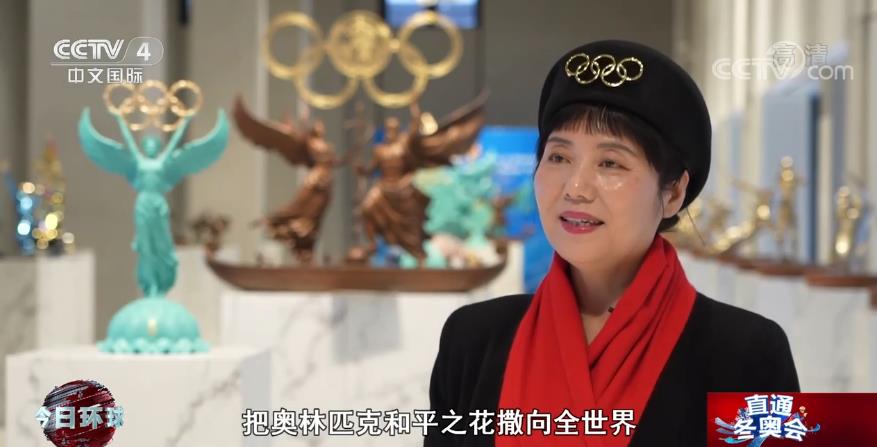
  The Olympic Games is not only a grand event of sports, but also a symbol of peace, friendship and progress. China sculptor Huang Jian has created more than 40 sculptures for the 6th Olympic Games in the past 20 years, contributing to the inheritance of the Olympic spirit. He was also called an Olympic art ambassador with an Olympic dream of peace by IOC President Bach, and was awarded the Outstanding Contribution Award for Inheriting the Olympic Spirit.

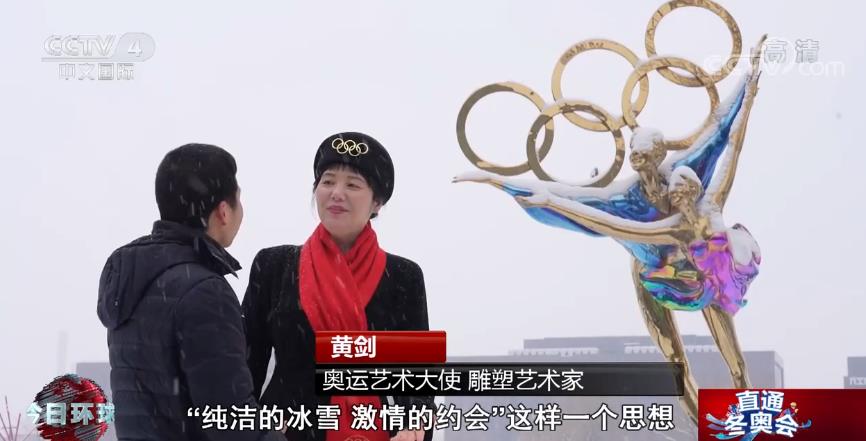
  In front of the gate of the Winter Olympics Organizing Committee in Shougang Park, Beijing, there stands a sculpture named "The Covenant of Winter Olympics". This sculpture takes figure skating as the theme and tells the story of a China teenager and an ancient Greek girl meeting in Beijing Winter Olympics through time and space.

  Huang Jian, Sculptor of Olympic Art Ambassador:The two of them danced harmoniously on the ice and snow and flew to a bright future together, which embodies the idea of the Winter Olympics, "pure ice and snow, passionate dating".

  Including the Covenant of Winter Olympics, Huang Jian created a total of 28 works for the Beijing Winter Olympics, including colorful gold music dynamic sculptures, Song of Winter Olympics, Dream of Winter Olympics and Dance of Winter Olympics, as well as the Covenant of Ten Thousand Years, Hundred Years of Ice Play and Ode to Olympic Health, which embody the long and splendid sports civilization, and the Olympic Dream and China Red, which show the hard work of China Olympic athletes. They are placed in Shougang Park, Yanqing, Dongao Village and other places, which has become a highlight of this Winter Olympics.

  Huang Jian, Sculptor of Olympic Art Ambassador:The work behind us is called Together for the Future, which is also the theme of our Winter Olympics.

  Huang Jian also created a number of national gifts for the Winter Olympics, among which "Winter Olympic Flame" and "A Dream of Concentric Circles" were presented to Greek President Saclaropoulos and International Olympic Committee President Bach respectively.

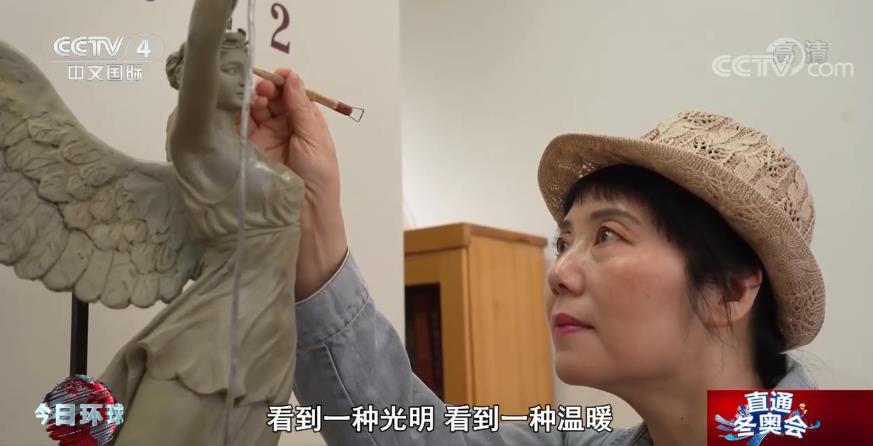
  Huang Jian, Sculptor of Olympic Art Ambassador:Holding the Olympic flame, the Olympic Goddess is like such a bright light that leads people out of the dark tunnel of COVID-19 epidemic, so she must be very high, see a kind of light, a kind of warmth, and a kind of peace and friendship.

  In July 2001, Beijing successfully applied for the Olympic Games. From that moment on, Huang Jian had the Olympic dream of using sculpture art to carry forward the Olympic spirit, tell the story of China, enhance the friendship among countries and promote world peace. From her first work for the Beijing Olympic Games in 2008, Ma Qiutu, the Imperial concubine of the Ming Dynasty, to the Sino-British Polo Friendship in the London Olympic Games in 2012, the China-Pakistan Football Friendship in the Rio Olympic Games in 2016, the Olympic Goddess in the Lausanne Winter Youth Olympic Games in 2020 and the Sino-Japanese Judo Friendship in the Tokyo Olympic Games in 2020, Huang Jian’s works will not be absent from every Olympic Games.

  Huang Jian, Sculptor of Olympic Art Ambassador:As an artist, I feel that in such a grand event that attracts worldwide attention as the Olympic Games, we are holding the flame at this time, and every move we make is attracting the world’s attention. At this time, it is very meaningful for us to convey our concept of peace through a work.

  In recognition of Huang Jian’s contribution to the spread of Olympic culture. The International Olympic Committee awarded her the title of the world’s first Olympic art ambassador, and Bach even praised the Olympic goddess created by Huang Jian.

  Huang Jian, Sculptor of Olympic Art Ambassador:The Olympic Goddess is a great symbol of the Olympic spirit and world peace. I hope that the Olympic Goddess will fly from Lausanne, the modern Olympic capital, to the host city of each Olympic Games, spread the flowers of Olympic peace all over the world, and let the voice of Olympic peace spread to Tianyu.

  Bach hopes that under the guidance of the Olympic goddess, sports and art will unite and work together to realize the Olympic dream of peace.

  Huang Jian, Sculptor of Olympic Art Ambassador:United as one. Because this is also the core value of the Olympic Games, that is, it starts with peace, prospers with peace, develops with peace, and unites everyone with peace. That is a charm of peace, and I think this charm is also eternal.

Does white tea belong to green tea?

Is white tea green tea? There are six kinds of tea in China, namely black tea, green tea, white tea, black tea, yellow tea and oolong tea. Therefore, white tea does not belong to white tea, and the two kinds of tea belong to the same class.

white tea

White tea, a kind of micro-fermented tea, is a traditional famous tea created by tea farmers in China. One of the six major teas in China. Refers to a kind of tea that is picked, processed only by sun drying or slow fire drying without enzyme fixation or twisting.

White tea is a special treasure among teas in China. Because its finished tea is mostly bud head, full of white hair, as silver as snow, it is named. It has the quality characteristics of complete appearance buds, full of hair, fresh Qing Xiang, clear yellow-green soup color and light and sweet taste.

The main producing areas are Fuding in Fujian, Zhenghe, Xinzhou Old Street in Wuhan, Tianshan Mountain in Jiaocheng, Songxi, Jianyang and Jinggu in Yunnan.

The basic process includes withering, baking (or drying in the shade), picking and tempering. The main technology of Yunnan white tea is sun-drying, and the advantage of sun-drying green tea is that the taste keeps the original fragrance of tea. Withering is the key process to form the quality of white tea.

The main varieties of white tea are as follows: First Day Bud, Tianshan White, Baihao Silver Needle, Bai Mudan and Shoumei (Gongmei) due to different varieties of tea trees and different standards for picking raw materials (fresh leaves).

White tea has good medicinal properties. It has the effects of sobering up, clearing away heat and moistening lung, calming the liver and nourishing blood, diminishing inflammation and detoxicating, lowering blood pressure and reducing fat, relieving fatigue, etc., and has a unique and ingenious health care function, especially for physical discomfort and digestive dysfunction caused by excessive alcohol and tobacco, excessive greasy food and excessive liver fire.

green tea

Green tea is one of the main teas in China, which refers to a drink made from the new leaves or buds of tea trees without fermentation, and through the processes of enzyme fixation, shaping and drying. The color of its finished products and the brewed tea soup preserve the green style of fresh tea more. Drinking green tea regularly can prevent cancer, reduce fat and lose weight, and can also reduce nicotine damage to smokers.

Green tea is made without fermentation, which retains the natural substances of fresh leaves and contains many nutrients such as tea polyphenols, catechins, chlorophyll, caffeine, amino acids and vitamins. These natural nutrients in green tea have special effects on anti-aging, anti-cancer, anti-cancer, sterilization and anti-inflammation, which are beyond the reach of other teas.

The main varieties of green tea are Biluochun, Emeishan Tea, Emei Xueya, Zhongyue Xiancha, Songfeng Green Tea, Gougunao, West Lake Longjing, Lushan Yunwu, Enshi Yulu, Dawu Green Tea, Shuangqiao Maojian Tea, Dawu Shoumei Tea, Jinguluhao Tea, Anji White Tea, Huangshan Mao Feng, Lu ‘an Guapian, Taiping Monkey Kui, Xinyang Maojian Tea, Rizhao Green Tea, Laoshan Green Tea, Xinyang Maojian Tea.

China produces a wide range of green tea. Henan, Guizhou, Jiangxi, Anhui, Zhejiang, Jiangsu, Sichuan, Shaanxi (southern Shaanxi), Hunan, Hubei, Guangxi and Fujian are the main green tea producing provinces in China.

The difference between white tea and green tea

1. The degree of fermentation is different

White tea, a kind of micro-fermented tea, is a traditional famous tea created by tea farmers in China. One of the six major teas in China. Refers to a kind of tea that is picked, processed only by sun drying or slow fire drying without enzyme fixation or twisting. It has the quality characteristics of complete appearance buds, full of hair, fresh Qing Xiang, clear yellow-green soup color and light and sweet taste.

Green tea is a kind of tea made without fermentation, which refers to a drink made by taking new leaves or buds of tea trees, without fermentation, fixing, shaping and drying. The color of its finished products and the brewed tea soup preserve the green style of fresh tea more. Drinking green tea regularly can prevent cancer, reduce fat and lose weight, and can also reduce nicotine damage to smokers.

2, the production process is different

The production process of white tea is simple and pure. Fresh leaves of white tea tree are picked according to seasonal requirements, and the number of bud leaves of picked tea leaves is determined according to the category of white tea. Only the buds are picked with white silver needles, one bud with one leaf or two leaves is Bai Mudan, and one bud with three leaves or four leaves is Shoumei. The whole production process is not fried, and it depends on the skill of the tea maker to make the tea green fully absorb the sunlight. There can be no carelessness in the process, and there is no way to make up for the mistakes.

Green tea is made from the new leaves or buds of newly picked tea trees by processes such as enzyme fixation, shaping and drying before fermentation. It is a pity that the nutrients lost in these processes, but green tea belongs to non-fermented tea, which retains more natural substances in green tea, with gains and losses.

3. Different shapes

The strongest visual feeling of white tea leaves is "wrapped in green makeup", most of which are gray-green, covered with silvery white hairs, and the buds are fat and beautiful.

Green tea is slender and curly, represented by Biluochun. It is covered with cilia, full of velvet, tight and thin, and spirally wound. Granular curly, dry tea is curly, into a ball, without fluff, round and compact, like pearls, gray or old green in color, often made of mature leaves, and the representative variety is Pingshuizhu tea.

4, the taste is different

White tea soup tastes sweet and smooth, and its main feature lies in its freshness, tenderness and fragrance. Just smelling the tea soup, you can find that there is a strong floral fragrance hovering above the teacup, which lasts for a long time, and the floral fragrance is crisp, which is in great contrast with the sweet taste.

The content of tea polyphenols in green tea is higher than that in white tea, which gives people a more intense feeling. If you brew green tea in a glass, especially green tea with delicate buds, you can enjoy some wonders, just like a fairy dancing in the water with long sleeves and flowing lightly, hiding and restrained, and flowing profusely.

5, the effect is different

White tea can play a very good role in lowering the three highs, which refer to hypertension, hyperlipidemia and hyperglycemia. Facing these frequent diseases in middle age, white tea is rich in aminophylline, tea polysaccharide and tea polyphenols, which has a miraculous effect on the prevention and treatment of the above-mentioned "rich diseases".

As a non-fermented tea, the natural substances in green tea are perfectly preserved, and the contents of tea polyphenols and caffeine are particularly rich, almost above 85%, which directly forms the characteristics of green tea with clear soup and strong taste convergence. According to the results of scientific research, green tea contains flavonoids, which can resist oxidation well, prevent blood coagulation and platelet aggregation, and has a miraculous effect on preventing cardiovascular diseases.

To sum up, white tea is not green tea, and green tea is not white tea. There are fundamental differences between them, with different quality characteristics, different places of origin and different effects.

[Extended reading]

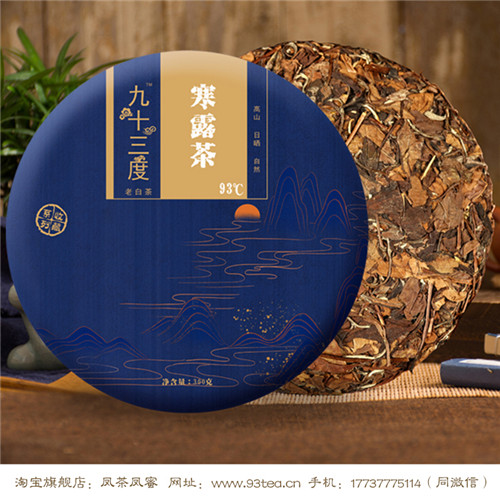
Old white tea is not afraid to buy expensive, but afraid to buy fake. Whether it is a wholesaler or an individual, you must buy branded white tea when buying white tea. Here, I recommend 93-degree old white tea for everyone. It is reported that the tea is directly supplied by the manufacturer, and all the white tea products of "93-degree old white tea" are annual cuttings with no pests and diseases, strong growth and normal roots, and the tea trees are pruned regularly, and the use of pesticides, fertilizers, etc. is also in line with relevant national regulations, and it is ensured that the environment is not polluted.

Details are as follows:

Name: 93 degrees white tea

Year: aged old white tea

Region: Fuding White Tea

Packing: exquisite gift box

Mobile phone: 17737775114 (same as WeChat)

Email: lppp123@qq.com.

Official website: www.93tea.cn.

Taobao flagship store: Fengcha Fengmi

Shop Website: https://fcfm.taobao.com/

Gaoshan Chennian Gongmei Purchase Link: https://item.taobao.com/item.htm? spm=a2oq0.12575281.0.0.47ee1debvt23re&ft=t&id=610478071121

Fuding White Tea Bai Mudan Purchase Link: https://item.taobao.com/item.htm? spm=a2oq0.12575281.0.0.47ee1debvt23re&ft=t&id=609963261241

Introduction: Fuding White Tea is a specialty of fuding city, Fujian Province, and a symbol product of chinese national geography. In June 2004, the former State General Administration of Quality Supervision officially approved "Fuding White Tea" as a geographical indication protection product. As the saying goes, "One year’s tea, three years’ medicine and seven years’ treasure." This shows that white tea becomes old white tea after passing through Fang Chen, and its medicinal value and drinking value are also higher. To make white tea, there must be old white tea, which has become the consensus of many tea merchants. The 93-degree old white tea stands out among many old white tea brands by virtue of its innovation and excellent quality.

Article complaint hotline: 156 0057 2229 Complaint email: 29132 36@qq.com.

Attention! "ADHD" can’t be equated with mischief.

  When children suffer from a disease called "attention deficit and hyperactivity disorder" (hereinafter referred to as "ADHD"), many parents are still in the dark. On the surface, children are just active, unable to sit still, and even appear smarter than other children. Isn’t this the "nature" of children in the traditional concept?

  In medicine, behind hyperactivity is that attention can’t be concentrated normally. Hyperactivity may decrease with the increase of age and self-control, but it is difficult to alleviate the defect of attention, which may affect children’s life in study, work and life.

  The Second People’s Hospital of Guizhou Province (Guizhou Mental Health Center) opened a special outpatient clinic for children and adolescents with learning difficulties on March 6th this year. Over the past six months, it has received hundreds of cases of "ADHD" among adolescents, and carried out professional intervention treatment under the guidance of the expert team of attention deficit hyperactivity disorder in the Sixth Hospital of Peking University.

  "ADHD" can’t be equated with mischief.

  Medical "attention deficit and hyperactivity disorder" is often just hyperactivity or mischief in the cognition of many parents. "There are many sick boys, and children are often smarter and have high IQ." Xiong Jie, deputy director of the Women and Children Psychiatry Department of the Second People’s Hospital of Guizhou Province, said, "Many parents didn’t notice ‘ Move around ’ The attention deficit problem behind it. "

  Many details in children’s life can be used to judge whether they have attention problems: whether children in kindergarten can concentrate on listening to a story told by their parents; When children draw, will they unconsciously turn their eyes from drawing paper to pen tip? Is it always a drag to finish the exercises … …

  Other children will provoke their classmates lightly, and may draw a picture on their classmates when sharpening pencils; Can’t stand the constraints of classroom discipline and get along well with teachers and classmates; Parents who often fight are invited … … Qian Ying, deputy director of Peking University Sixth Hospital and Peking University Clinical Psychology Center, explained that "hyperactivity" is a dimension of attention deficit, and there are many subtle manifestations in patients’ study and life.

  "There is something called dopamine in their brains that is not enough." Qian Ying made an analogy: "There seems to be a battle in the brain. When dopamine secretion is normal, the marshal in the brain can direct everything. When it is time to move, it should be quiet. If the dopamine secretion is less, the marshal may fall asleep and the soldiers will start to move uncontrollably. "

  An article published in the Chinese Journal of Epidemiology in 2018 showed that the total prevalence rate of attention deficit and hyperactivity disorder among children in China was 5.6%, and subgroup analysis showed that the prevalence rate of boys was 7.7% and that of girls was 3.4%. Qian Ying said that less than 1/3 of the patients were formally treated, and the proportion of patients receiving formal treatment after treatment was even lower.

  The reason why children fall behind in their grades may be the lack of concentration.

  The reason why some teenagers really go to the hospital is that there is a problem in their learning status. After analyzing a large number of cases, it is found that the first and third grades of primary school are the peak periods for children to suffer from ADHD.

  Xiong Jie’s children have just entered the first grade this year, and the teacher will ask Xiong Jie for advice: Why can’t some children in the class concentrate on the lecture anyway? This directly leads to their inability to keep up with their studies. "If six or seven-year-old children can only concentrate for a few minutes, they will definitely not be able to study normally." Xiong Jie said.

  The study found that some sick children have high IQ, and they can not concentrate on each class for a long time in the first and second grades, but they can also learn some knowledge, and they can barely keep up with the learning progress by being smart. Generally, in the third grade, academic performance will drop significantly. At this time, if you don’t see a doctor again, by the sixth grade and junior high school, your child will face more serious problems. "It is often that academic performance is not good and interpersonal communication is not good. How do children find themselves unloved?" Qian Ying said that children will feel inferior because of this, and with the advent of adolescence, many children have a stiff relationship with their parents.

  Qian Ying opposes that some parents often say that their children are too rebellious in adolescence. "In fact, the child is wronged in his heart. He can’t control himself, but there is something wrong with dopamine in his brain." Through contact with a large number of patients, Qian Ying found that if children at this time did not feel the warmth of teachers, classmates and relatives, and did not see a doctor in time, they were most likely to get into bad habits, such as indulging in the Internet, smoking, drinking and even committing crimes.

  Xiong Jie and experts from the Sixth Hospital of Peking University once went to a drug rehabilitation center for investigation, and found that the proportion of drug addicts with ADHD in childhood was very high, and they basically did not receive professional intervention. Many people’s life trajectories are also surprisingly similar: from poor academic performance to behavioral problems, they gradually affect their emotions and appear personality defects, and then they are misled by others to further develop drug addiction … …

  Professional treatment should be promoted to preschool age.

  "Attention deficit and hyperactivity disorder" has the same obvious influence on a person as an adult.

  Among the cases studied in Peking University Sixth Hospital, lateness and procrastination are the most common problems. Some patients have never been able to go to work on time, and serious "starting difficulties" have made him often criticized by leaders; Some patients are seriously procrastinating and incompetent, and are considered irresponsible by colleagues; Some people have serious emotional problems because of self-blame, and their social status as adults is very low, and they can’t keep up with their peers.

  Some patients will show "high function". A doctoral student in Peking University, whose research ability is not weak, has been unable to start writing a thesis; A 40-year-old university teacher completed his knowledge accumulation by amazing self-discipline, but he had to make a particularly strict time schedule to complete his work. After becoming a doctoral tutor, he had to rely on drugs to improve his attention to complete his teaching and research tasks.

  Qian Ying believes that to prevent similar problems in adulthood, it is necessary to intervene from an early age. One of her important research directions is preschool intervention. At present, the internationally accepted cognition is "early judgment, early action and active treatment". Qian Ying explained that this means that it is not necessary to make a diagnosis for preschool children with ADHD, but it is necessary to carry out professional intervention, especially non-drug intervention, as soon as possible.

  Qian Ying was particularly pleased that after the opening of the adolescent learning disability clinic in the Second People’s Hospital of Guizhou Province for half a year, she had the first preschool child to see a doctor. Although the final diagnosis showed that the child was not ADHD, Qian Ying believed that this showed that parents in the western region began to sprout their understanding of the disease.

  Qian Ying explained that people’s brains will be more mature when they reach a certain age, but people’s executive skills will last longer, and some people will continue to develop into adulthood. Some professional methods can be used to promote the development level of children with slow development of executive skills.

  At present, Peking University Sixth Hospital and Shenzhen Children’s Hospital are jointly trying to intervene on "attention deficit and hyperactivity disorder" before school, and foreign professional researchers are also involved. Qian Ying found that after several months of training, some children made obvious progress. "The exact conclusion may be studied in five years." Qian Ying said.

  Going to a mental health hospital for treatment is a difficult psychological hurdle to overcome.

  In order to let more families know about the treatment knowledge of preschool ADHD, Qian Ying wrote a book on how to carry out family group training of executive skills, so that more parents can find problems, pay attention to them and make some active interventions for their children.

  She believes that it is more important to let parents and children really sit in front of professional doctors, but the current embarrassment is that professional doctors often take their children into these places in mental health research institutions or "mental hospitals" that people often express, which is still difficult for many people.

  Qian Ying noticed that some private early education institutions have set up children’s concentration training courses, and the fees are ten times or even dozens of times that of public hospitals. Many parents are willing to sign up their children. She believes that on the one hand, it is necessary to see that these institutions are mixed and there are no teaching standards, and the professionalism of teachers may not be qualified for the curriculum requirements; On the other hand, in the future, professional medical institutions can cooperate with educational institutions to integrate professional knowledge into the curriculum of kindergartens and schools, which will be more acceptable to children and parents.

  WU GANG, director of the Women and Children’s Department of the Second People’s Hospital of Guizhou Province, also said, "I hope that professional outpatient clinics can drive more people to pay attention to the psychological problems of teenagers, and treat them as a cold." WU GANG plans to get a batch of professional diagnosis and treatment equipment for departments, send more medical staff to participate in professional study, and build a platform for cooperation with educational institutions and non-profit organizations in the future, so as to drive away the "sense of shame" under old ideas and let more children with ADHD receive treatment happily.

  China Youth Daily China Youth Network reporter Bai Hao Intern Pearl

After school, 400,000 primary school students in Shijiazhuang are entrusted to "herd sheep" after school.

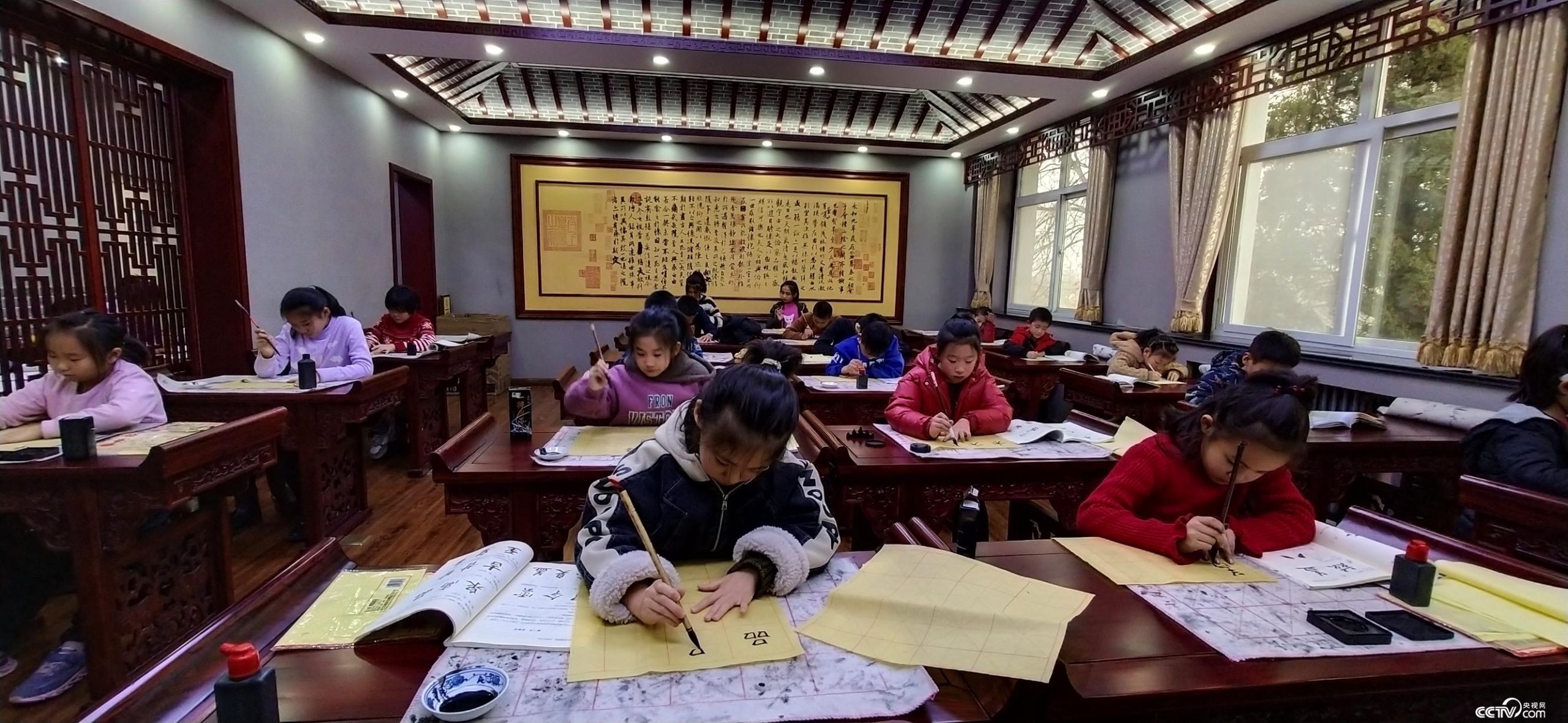
Children of Tokyo North Primary School in Yuhua District of Shijiazhuang learn calligraphy for free after school.

Children of Tokyo North Primary School in Yuhua District of Shijiazhuang learn calligraphy for free after school.

       Cctv news(Reporter Xu Hui) Children can enjoy free custody service on campus after school at around 4 pm. All parents need to do is fill out an application form. This move made Mr. Ning, a citizen of Shijiazhuang, give a thumbs up.

  Mr. Ning’s son should be in the first grade of primary school in September this year. He and his lover both work in the company, and neither of them can help pick up and drop off the children. "Children leave school at around 4 pm every day, and our off-duty time is at 6 o’clock. What should the children do in these two hours? We are really worried about this."

  Mr. Ning knows that there are off-campus care classes that can take care of children, but the expensive expenses are too much for Mr. Jeannin. "Spending money is on the one hand, and on the other hand, children are not safe in it and can learn something. These are also issues that my lover and I must consider."

  Through communication with the school teacher, Mr. Ning learned that children can be placed in custody in the school after school. In the first week of school, the children brought back a piece of "Parents’ Understanding Paper on After-school Service for Primary School Students". Mr. Ning filled out the application according to the requirements of the form, and the problem of unattended children after school was solved. "This really gives me a heart attack. When children take care of us adults at school, we can rest assured and work with peace of mind."

  According to Kang Jingcai, principal of Tokyo North Primary School in Yuhua District, Shijiazhuang City, among about 300 students in the school, more than 100 have signed up for after-school custody service. In order to enable children to learn useful skills in after-school trusteeship, Tokyo North Primary School has carried out extracurricular activities such as painting, calligraphy and basketball. "Providing in-school and out-of-class services for students of different grades can make children of each grade have teachers responsible for the whole process of learning and playing games."

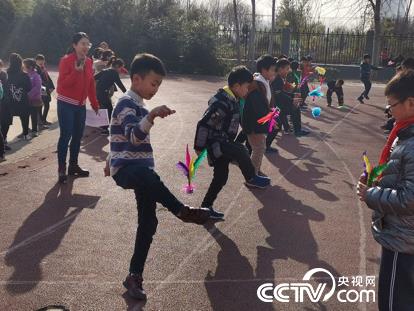
Children of Tokyo North Primary School in Yuhua District of Shijiazhuang City kick shuttlecocks on campus after school.

Children of Tokyo North Primary School in Yuhua District of Shijiazhuang City kick shuttlecocks on campus after school.

  Liu Qiansha, deputy director of the Basic Education Department of Shijiazhuang Education Bureau, said that in order to effectively solve the problem of unattended primary school students after school, ensure the safety of minors and effectively run a satisfactory education for the people, Shijiazhuang City adheres to the principle of public welfare and inclusiveness. Since 2016, free after-school services have been provided to primary school students in need. This service is mainly aimed at primary school students whose parents can’t pick them up and drop them off on time, and gives priority to the needs of groups in urgent need of services such as children from dual-income families, disabled children, left-behind children, migrant children from migrant workers and children with financial difficulties.

  At present, the funds for the after-school service in the main urban area of Shijiazhuang are raised by the municipal and district governments, and are shared in the ratio of 6: 4, included in the annual budget and have been allocated. From 2015 to 2019, the financial investment of Shijiazhuang City increased from 1.5 million yuan to more than 23 million yuan, which provided sufficient financial guarantee for after-school service.

  In the autumn semester of 2019, all 23 counties (cities, districts) in Shijiazhuang carried out after-school services for primary school students, covering 1,239 primary schools, accounting for 60.43% of the city’s primary schools, benefiting nearly 400,000 students.

  Liu Qiansha said that in the next step, Shijiazhuang Education Bureau will continue to steadily promote the after-school service for primary school students, ensure the full coverage of after-school services for primary school students in need, actively meet the urgent needs of parents for after-school services, effectively solve parents’ worries, and truly make the policy of after-school services for primary school students benefit thousands of households.

How to construct the basic institutional arrangement of primary distribution, redistribution and tertiary distribution coordination

  Author: Song Xiaowu (Professor, China Institute of Income Distribution, Beijing Normal University)

  Since the reform and opening up, we have learned from the experience and lessons of developed market economy countries, combined with the actual situation in China, and after arduous exploration, we have initially established a socialist market economy distribution system. Since the 15th National Congress of the Communist Party of China, the CPC Central Committee has repeatedly reiterated its adherence to the distribution system with distribution according to work as the main body and multiple modes of distribution coexisting. In 2019, the Fourth Plenary Session of the 19th CPC Central Committee adopted the Central Committee of the Communist Party of China’s Decision on Several Major Issues Concerning Upholding and Perfecting the Socialism with Chinese characteristics System and Promoting the Modernization of the National Governance System and Governance Capacity, which juxtaposed the distribution system of "distribution according to work as the main body and coexistence of various modes of distribution" with "socialist market economic system" and "public ownership as the main body and common development of various ownership economies" and raised it to a basic socialist economic system. Practice has proved that the distribution system with distribution according to work as the main body and coexistence of various modes of distribution has greatly mobilized the enthusiasm of enterprises and employees and provided a basic platform for the sustained and rapid growth of China’s economy, which we should adhere to for a long time. At the same time, we should also see that in the field of distribution, the problem of imbalance is increasingly prominent and the problem of inadequacy still exists. On the road to common prosperity, how to further deepen the reform of the distribution system and build a coordinated income distribution system of primary distribution, redistribution and tertiary distribution is a new challenge.

  Primary distribution, redistribution and tertiary distribution are closely related to each other, and each of them follows different principles. Primary distribution is the foundation. Under the condition of socialist market economy, the market plays a decisive role in the allocation of resources. Labor, land, capital, technology, management and data should all be allocated by the market, and each should be rewarded according to its contribution. The secondary distribution is based on the primary distribution. Without the reasonable and legal primary distribution of income from all walks of life, it is difficult for the country to establish a standardized secondary distribution system including basic social security, taxation and financial transfer payment. The third distribution should encourage and guide high-income groups to enhance their sense of social responsibility, actively participate in and set up social welfare undertakings, and it is based on the initial distribution and redistribution. We can imagine that if the initial distribution still allows enterprises to eat from the same pot as the state and employees to eat from the same pot, and egalitarianism prevails, there will be no third distribution.

  Some people think that "the initial distribution depends on the market, the redistribution depends on the government, and the third distribution depends on voluntariness". This summary is concise and easy to remember, but it is also somewhat simplified. In terms of initial distribution, if the market system is relatively mature and sound, there is no big problem with the formulation of "initial distribution depends on the market" in principle. However, China has turned from a planned economy to a socialist market economy, and the market system construction, especially the factor market construction including labor, is still not perfect. For example, the urban and rural household registration system and the basic public service system closely related to it have divided the labor market, resulting in the income of nearly 300 million migrant workers being depressed for a long time. Obviously, the initial distribution of migrant workers can not be simply solved by the individual labor contract relationship such as independent employment of enterprises and independent employment of migrant workers. The deep-seated problem is how the government can further break the administrative division between urban and rural areas and accelerate the cultivation of a unified labor market. In 2020, the central government issued the Opinions on Building a More Perfect System and Mechanism for Market-oriented Allocation of Factors, proposing to deepen the reform of the household registration system, smooth the channels for settlement, "explore and promote the cumulative mutual recognition of the years of household registration in the same city in the Yangtze River Delta, Pearl River Delta and other urban agglomerations", "liberalize and relax the restrictions on urban settlement except for a few megacities, and try to register the household registration system with the habitual residence", "establish a mechanism linking basic public services such as urban education, employment and entrepreneurship, medical and health care with the permanent population,Promote the allocation of public resources according to the size of permanent residents. " Implementing the above policies and measures will greatly accelerate the process of urbanization of migrant workers and is of great significance to narrowing the income distribution gap. For another example, it is also an indispensable responsibility of the government to adjust the minimum wage guideline, strengthen the supervision of the labor market, and provide public services for employment.

  "Redistribution depends on the government" is no problem in principle. Basic social security, taxation, financial transfer payment and other redistribution systems are implemented by government legislation. China has established a social security system covering the whole people, exempted agricultural taxes and reduced the burden of corporate taxes and fees during the epidemic period, increased support for poor areas such as the old and the young through financial transfer payments, and promoted the equalization of basic public services, and made great progress in secondary distribution. The problem now is that China’s redistribution system has not played a sufficient role in stabilizing the initial distribution gap. In the late 1980s and early 1990s, in view of the prevailing social background of egalitarianism, it was proposed to introduce the incentive principle of initial distribution into redistribution, which was understandable under the historical conditions at that time. After 40 years of reform and opening up, great changes have taken place in China’s social and economic life. While creating a miracle of rapid economic development, many problems have gradually accumulated, among which the gap in income distribution is very prominent. In this case, the reform of the basic social security system in the 14 th Five-Year Plan and the next period should emphasize and improve its fairness and mutual assistance. In terms of tax system, the proportion of direct taxes in China is still low, in which the highest marginal tax rate of labor remuneration is higher than the capital income tax rate. Among the direct taxes in China, the property tax, inheritance tax and gift tax, which are mainly aimed at flow income and adjust the gap of stock property, have been brewing for many years and have not been introduced. Long-term accumulation will certainly enlarge the wealth gap of residents.Therefore, during the Tenth Five-Year Plan and in the future, the focus of government redistribution should be on stabilizing the excessive gap in initial distribution.

  The formulation of "three distributions depend on voluntariness" is not rigorous enough. Voluntary donation is certainly worth promoting and affirming. In 2016, China promulgated the Charity Law, which clearly stipulates that "charity activities should follow the principles of legality, voluntariness, honesty and non-profit", and "the state encourages and supports natural persons, legal persons and other organizations to practice socialist core values, carry forward the traditional virtues of the Chinese nation, and carry out charity activities according to law". The third distribution is still in its infancy in China, and there is still a big gap between the per capita donation and that of developed countries. However, the number of billionaires has surpassed that of the United States, ranking first in the world. From the international experience, if there are no taxes such as inheritance tax and gift tax, it is difficult to develop the three distributions in a standardized way only by propaganda and moral inspiration. With the platform of inheritance tax and gift tax, at the same time, giving tax incentives to charities and other social welfare undertakings, establishing institutional mechanisms conducive to the healthy development of charitable organizations and strengthening supervision and management, the three distributions can be more fully developed.

  To sum up, the primary distribution focuses on mobilizing the enthusiasm of market competition at all levels of society, so that all sources that can create wealth can fully emerge. Redistribution focuses on the equalization of basic public services, correcting the "Matthew effect" of the market and laying a solid foundation for social stability and sustainable economic development. The third distribution focuses on charity and public welfare, so that the fruits of economic development can better benefit all citizens. The distribution system in these three areas should be adjusted and combined according to different stages of economic and social development. It is the basic platform to realize common prosperity to build a distribution system with different emphases and internal connections.

  Guangming Daily (October 9, 2021, 02 edition)

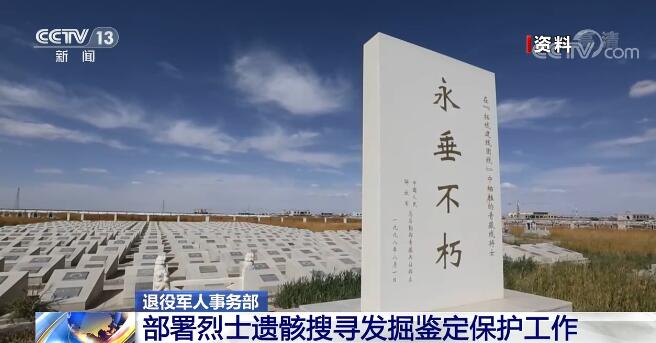
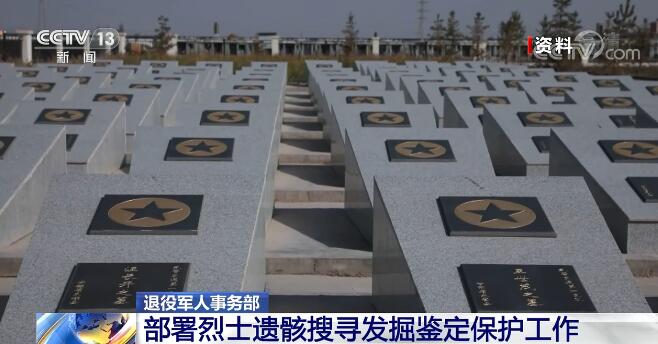
Department of Veterans Affairs: Deploy the search, excavation, identification and protection of martyrs’ remains.

CCTV News:Recently, the Department of Veterans Affairs issued the "Notice on the Safe Search, Excavation, Identification and Protection of Martyrs’ Remains", demanding that the search, excavation, identification and protection of missing or unknown martyrs’ remains be done safely. The Notice requires that the remains of suspected martyrs discovered or excavated should be properly preserved in accordance with relevant regulations. If it is identified as the remains of martyrs, it shall be buried in the martyrs cemetery in a timely and proper manner and a burial ceremony shall be held nearby.

In addition, the information data obtained from the identification of the remains of martyrs should be kept and used in accordance with the relevant requirements of the national information data management. Without approval, it is not allowed to organize the excavation or identification of the remains of martyrs, and it is not allowed to destroy or dispose of the remains or relics of martyrs at will.

Notice of Guangdong Provincial Health and Wellness Commission and Guangdong Provincial Department of Finance on Printing and Distributing the Management Plan for Comprehensive Prevention and Control o

Yuewei Maternal and Child Letter [2020] No.12

Municipal Health Bureau (Commission) and Finance Bureau at all levels:

  In order to implement the spirit of the National Comprehensive Prevention and Control Plan for Birth Defects (No.19 [2018] of the National Health Office for Women and Children) and the Healthy Guangdong Action (2019-2030), further strengthen the comprehensive prevention and control of birth defects in our province, prevent and reduce birth defects, and improve the quality of the birth population, the Management Plan for the Comprehensive Prevention and Control Project of Birth Defects in Guangdong Province (2021-2023) is hereby issued.

  In case of problems in the implementation, please timely feedback to the Provincial Health and Wellness Commission and the Provincial Department of Finance.

  Guangdong Provincial Health and Wellness Committee Guangdong Provincial Department of Finance

  December 31, 2020


  Preventing and reducing birth defects and putting life health first are important measures to improve the quality of the born population and promote the construction of a healthy China, and are the inherent requirements of adhering to the people-oriented principle and promoting sustainable economic and social development. In order to thoroughly implement the spirit of the 19th National Congress of the Communist Party of China and the National Conference on Health and Wellness, this plan is formulated according to the National Comprehensive Prevention and Control Plan for Birth Defects (Guo Wei Ban Maternal and Child Development [2018] No.19) and the Opinions of the Guangdong Provincial People’s Government on Implementing the Healthy Guangdong Action, which will guide the comprehensive prevention and control of birth defects in Guangdong Province from 2021 to 2023.

  I. Project objectives

  (a) the overall goal. By 2023, we will build a three-level birth defect prevention and control system covering urban and rural residents, including pre-marriage, pre-pregnancy, pregnancy, newborns and childhood, provide fair, accessible, high-quality and efficient comprehensive prevention and control services for birth defects, prevent and reduce birth defects, and improve the quality of the birth population and the health level of children.

  (2) Annual targets. The awareness rate of birth defect prevention knowledge reached 80%; The screening rate of couples’ prenatal thalassemia (blood routine) reached 95%, the screening rate of maternal prenatal fetal chromosomal abnormalities and structural abnormalities reached 80%, the screening rate of neonatal hereditary metabolic diseases reached 98%, and the screening rate of neonatal hearing reached 90%. Serious birth defects such as congenital heart disease, Down syndrome, deafness, neural tube defects and thalassemia have been effectively controlled.

  Second, the project tasks

  (a) to carry out primary prevention and popularize knowledge of birth defects prevention. We will implement pre-marital medical examination programs, free pre-pregnancy eugenics examination programs, and supplement folic acid to prevent neural tube defects. Focusing on people of childbearing age, pre-marriage, pre-pregnancy and pregnancy health care groups, using radio and television, posters, the Internet, WeChat WeChat official account, health talks and other propaganda means, we will promote the use of the WeChat applet of Guangdong Maternal and Child Health E Manual, the platform of internet plus pregnant women’s school and parents’ school, vigorously carry out publicity and education on birth defect prevention and control knowledge, and popularize the knowledge of birth defect prevention and control. 

  (two) to carry out secondary prevention, reduce the birth of serious birth defects. Prenatal screening institutions and prenatal diagnosis institutions shall carry out prenatal screening and diagnosis of thalassemia, prenatal screening and diagnosis of fetal chromosomal abnormalities (including Down syndrome) and prenatal screening and diagnosis of fetal structural abnormalities, and popularize the application of appropriate prenatal screening technologies to realize that pregnant women receive prenatal screening at least once before 24 weeks of pregnancy; For high-risk pregnant women, we should guide them to receive prenatal diagnosis technical services in medical institutions with prenatal diagnosis qualifications in time; Give timely medical guidance and suggestions to the cases of severe birth defects such as severe congenital heart disease, severe open neural tube defects, Down’s syndrome and other serious fatal and disabling chromosomal diseases, severe thalassemia and other serious fatal and disabling monogenic genetic diseases, so as to reduce the birth of severe birth defects.

  (3) Carry out three-level prevention to reduce the occurrence of congenital disabilities. Newborn genetic and metabolic diseases (congenital hypothyroidism, phenylketonuria, G6PD deficiency (bean disease), congenital adrenal hyperplasia and other genetic and metabolic diseases) were screened by provincial and municipal neonatal genetic and metabolic disease screening centers and blood collection institutions, and newborn hearing screening was carried out by midwifery institutions. Do a good job in follow-up, diagnosis, treatment and intervention of cases with positive retinopathy of prematurity screening and neonatal disease screening, carry out screening, diagnosis and treatment, promote early detection and treatment, and reduce the occurrence of congenital disabilities. 

  Third, the project population

  (1) Prenatal screening intervention: pregnant women with household registration in Guangdong Province (including spouses with household registration in Guangdong Province) or pregnant women with floating population with valid residence permit in Guangdong Province.

  (2) Screening of neonatal diseases: newborns delivered by the above pregnant women.

  Fourth, the principle of service

  (1) Free screening. Those who meet the requirements (pregnant women and newborns) can receive a prenatal screening or neonatal disease screening for free. Prenatal diagnosis projects are given a fixed subsidy, and the insufficient part is voluntarily borne by the patient.

  (2) Informed and voluntary. Service agencies do a good job in publicity and guidance, and the screening and diagnosis inspection items are voluntarily participated and informed by the masses.

  V. Funding arrangement and management

  (1) Funding arrangements.

  1. From 2021 to 2023, provincial funds for comprehensive prevention and control of birth defects will be mainly used to support the screening and intervention of designated diseases of fetal and neonatal birth defects in economically underdeveloped areas, as well as the project management of provincial birth defect prevention and control management centers and city and county intervention centers. Conditional areas can be combined with local conditions, adopt new technologies and methods, and increase the free screening of diseases, and the required new funds will be solved by local finance.

  2. The project of supplementing folic acid to prevent neural tube defects, free pre-pregnancy eugenics health examination and eliminating mother-to-child transmission of AIDS, syphilis and hepatitis B shall be implemented according to the corresponding plan and solved by the existing funding channels.

  3. The funds needed for the implementation of the project in the Pearl River Delta region shall be solved by local finance.

  (2) Subsidies from suppliers.

  The financial subsidy funds are allocated to the provincial, city and county birth defect prevention and control management (intervention) centers. The standard is: 5.1 million yuan at the provincial level, which is used for the management of birth defect prevention and control projects, personnel training, health education, information system construction and maintenance, quality control, etc. 120,000 at the municipal level and 90,000 at the county level, mainly used for business backbone training, supervision and evaluation, quality control, information management, publicity and education, management exchange, etc.

  (3) Subsidies from the demand side.

  one.Demand side subsidy content.

  (1) Eligible pregnant women can get free prenatal screening and fixed prenatal diagnosis for thalassemia and other serious fatal and disabling monogenic genetic diseases, Down syndrome and other serious fatal and disabling chromosomal abnormalities, anencephaly, encephalocele, open spina bifida, visceral eversion of chest and abdomen wall defect, monocentricular heart and fatal cartilaginous dysplasia. Grant 16 inspection items, including:

  ① A re-screening of hemoglobin electrophoresis and gene detection for thalassemia (both husband and wife);

  ② First trimester (11-13)+6Week) or second trimester (15-20+6Weeks) serological screening for Down syndrome;

  ③ First trimester (11-13)+6Weeks) ultrasonic screening for severe fatal and disabling structural deformities (including NT);

  ④ One ultrasound screening (level II prenatal ultrasound examination) for severe fatal and disabling structural malformation in the second trimester (18-24 weeks);

  ⑤ Prenatal screening of peripheral blood free DNA with a fixed subsidy (Tang Screen is a critical risk pregnant woman);

  ⑥ Prenatal diagnosis with a fixed subsidy (screening for high-risk pregnant women): genetic diagnosis (karyotype analysis, chromosome microarray analysis, genome copy number variation sequencing analysis) of high-risk pregnant women with severe thalassemia, other fatal and disabling monogenic genetic diseases, Down syndrome and other serious fatal and disabling chromosomal abnormalities, class III ultrasound prenatal diagnosis of severe fatal and disabling ultrasonic structural abnormalities, and color Doppler ultrasound examination of fetal heart with severe congenital heart disease.

  (2) Eligible newborns can get free screening and re-screening for neonatal genetic metabolic diseases, neonatal hearing and retinopathy of prematurity. Grant 12 inspection items, including:

  ① Primary screening of congenital hypothyroidism and re-screening of those with positive primary screening;

  ② Primary screening of phenylketonuria and re-screening of those with positive initial screening;

  ③ Primary screening for G6PD deficiency and re-screening for those with positive primary screening;

  ④ Primary screening of congenital adrenal hyperplasia and re-screening of those with positive primary screening;

  ⑤ Primary screening of hearing screening and re-screening of those with positive primary screening;

  ⑥ Primary screening of retinopathy of prematurity and re-screening of those with positive primary screening;

  2.Demand-side subsidy standard.

  Finance at all levels shall pre-allocate the subsidy funds of the demander according to the standard of 620 yuan for pregnant women/fetuses and newborns of 214 yuan/case, and settle the accounts according to the actual number of cases completed by each inspection item and the financial settlement standard. Pre-allocation and settlement shall be made according to the principle of 6: 2: 2 sharing of subsidy funds of provincial, municipal and county finance (see Annex 1).

  (4) Requirements for fund management.

  one.According to the actual settlement:Finance at all levels shall pre-allocate annual funds according to the annual target population (see Annex 2), and settle accounts in the following years according to the actual number of completed cases registered in the provincial maternal and child health information platform and the provincial financial settlement standards. The designated service institutions shall settle the subsidies in the previous month before 30 days of each month by the actual number of cases registered in the provincial maternal and child health information platform.

  2.Graded settlement:Each prefecture-level city, in combination with the actual situation, formulates the local demand-side subsidy measures with reference to the provincial demand-side subsidy scope, and clarifies the project fund allocation and settlement methods. All localities can adopt "grading settlement", that is, municipal designated institutions are settled by the municipal level, and county-level designated institutions are settled by the county level. For the prenatal diagnosis and neonatal genetic and metabolic disease screening projects that need to be completed in medical institutions at or above the municipal level, each project city can directly allocate the funds of the demand side of the project to the corresponding institutions and settle in full according to the financial settlement standards.

  three.Local relief:The designated service institutions can directly implement the screening and diagnosis of the target population in accordance with the corresponding link stage, and obtain the relief at this stage. The designated service institutions will reduce the quota on the spot, according to the rules and facts. Projects that have been reimbursed through medical insurance are no longer included in the scope of financial subsidies.

  four.Earmarking:Project subsidy funds must be earmarked and accounted for in special accounts, in which the demand side subsidy is accounted for as medical business income and the supply side subsidy is accounted for as financial subsidy income. No unit or individual may intercept, misuse or misappropriate special subsidy funds. Belong to the "People’s Republic of China (PRC) government procurement law" and the relevant provisions of the provincial government procurement management, must be strictly implemented in accordance with the government procurement system.

  VI. Organizing implementation

  (1) Project management. The provincial birth defect prevention and control management center (located in the provincial maternal and child health hospital) and the city and county birth defect intervention center (located in the city and county maternal and child health hospital) are responsible for the comprehensive prevention and control project management of birth defects.

  one.Provincial birth defect prevention and control management center.Mainly perform the following duties: promote the implementation of birth defect prevention and control projects in the province, organize talent training, technical evaluation, business guidance, supervision and management and health education and publicity for birth defect prevention and control; Organize the implementation of quality control of birth defects prevention and control; Organize the collection, collation, analysis, reporting and related information management of birth defects prevention and control data, and gradually establish and improve the routine monitoring data collection and analysis system for the implementation of birth defects prevention and control projects on the basis of the provincial maternal and child health information platform, so as to monitor, analyze and evaluate the implementation effect of the projects in a timely and scientific manner; Co-ordinate the management of provincial special technical guidance centers for prenatal diagnosis, neonatal disease screening centers and other institutions, and guide the three-level prevention of birth defects such as premarital examination, prenatal eugenics examination, prenatal screening and diagnosis, and neonatal disease screening.

  2.City-level comprehensive intervention centers for birth defects.Mainly perform the following duties: organize and implement the prevention and control of birth defects in the jurisdiction according to the requirements of the higher authorities, be responsible for the screening and diagnosis of birth defects in the local city, and provide professional guidance and quality control to the institutions in the jurisdiction that undertake services such as premarital examination, pre-pregnancy eugenics health examination, prenatal screening, prenatal diagnosis, laboratory detection of neonatal genetic and metabolic diseases, and neonatal hearing impairment detection. Carry out training, health education and information management of comprehensive prevention and control personnel of birth defects in the jurisdiction. Do a good job in project progress monitoring, summary and analysis, and assist in the management of project funds in this area. Strengthen the construction and standardized management of screening centers for hereditary and metabolic diseases of newborns in the city.

  3. County-level comprehensive intervention center for birth defects.Mainly perform the following duties: organize and implement the prevention and control of birth defects in the jurisdiction according to the requirements of the higher authorities, be responsible for the screening of birth defects in the jurisdiction, and undertake the pre-marital examination, pre-pregnancy eugenics health examination, midwifery institutions and basic medical and health institutions’ personnel training. To carry out information statistics, report and analysis on the initial screening of birth defects, and assist in the management of project funds in this area. Establish cooperation and referral mechanisms with relevant midwifery institutions, premarital examination institutions, pre-pregnancy eugenics health examination institutions, prenatal screening institutions, prenatal diagnosis institutions, neonatal metabolic disease screening laboratories, and neonatal hearing impairment diagnosis and treatment institutions, combine birth defect monitoring with maternal and child health management, and do a good job in the referral, follow-up and intervention of high-risk pregnant women and newborns with birth defects in their jurisdictions.

  (2) service agencies. All midwifery institutions, pre-pregnancy eugenics health examination institutions, prenatal screening institutions, prenatal diagnosis institutions, neonatal genetic and metabolic disease screening laboratories, and neonatal hearing impairment diagnosis and treatment institutions should jointly do a good job in the prevention and control of birth defects in accordance with their respective functions and duties, in accordance with the requirements of fixed-point service, first-visit responsibility and convenient service.

  one.Fixed point service.The comprehensive prevention and control project of birth defects shall be managed territorially and completed by designated service institutions. Institutions that can provide midwifery services, maternal and child health care services in the province can apply to the local health administrative department to become the designated service institutions of the project. According to the actual situation, the local health administrative departments reasonably determine the designated service institutions, announce them to the public, implement inter-agency settlement, improve birth defect screening and diagnosis services for the clients in accordance with the service process (Annex 3), and reduce the relevant fees on the spot.

  2.The first diagnosis is responsible.

  (1) prenatal screening institutions and medical institutions that file during pregnancy are responsible for the implementation of free prenatal screening or referral services for pregnant women:One isSerological screening of Down syndrome and other fatal and disabling chromosomal abnormalities;The second isUltrasonic screening of severe fatal and disabling structural deformities.The third isHemoglobin electrophoresis screening of thalassemia in couples with positive blood routine.

  (2) prenatal diagnosis institutions, responsible for the implementation of prenatal diagnosis of birth defects (high-risk couples) gene prenatal diagnosis or ultrasound prenatal diagnosis services.

  (3) delivery institutions, responsible for the implementation of free screening or referral services for neonatal diseases:One isHeel blood blood film collection of neonatal hereditary metabolic diseases;The second isHearing screening;The third isScreening for retinopathy of prematurity.

  (4) The municipal screening center for neonatal genetic and metabolic diseases: responsible for the implementation of the screening organization, laboratory testing, recall of positive cases, follow-up and treatment of neonatal genetic and metabolic diseases in the city. For specific requirements, see the working guidelines of the screening center for neonatal genetic and metabolic diseases (Annex 4).

  three.Convenience service.

  (1) Designated service institutions in various cities should simplify the subsidy service process, establish a screening green channel, and provide on-site free screening and diagnosis services for eligible pregnant couples and newborns. Clients can confirm their identities through the Guangdong Maternal and Child Health Information Platform (hereinafter referred to as the provincial platform) and the WeChat applet of the Guangdong Maternal and Child Health E-Manual, and reduce fees on the spot in the whole city for the convenience of the masses.

  (2) Designated service institutions should strictly follow the technical route of the birth defect prevention and control project, and the screening and diagnosis of the target population at the stage of corresponding links can be directly included from the stage of conformity, so as to obtain relief and improve efficiency.

  (3) Information management.

  Designated institutions shall, in accordance with the requirements of the Notice of the Office of Guangdong Provincial Health and Wellness Committee on Printing and Distributing the Work Plan of Guangdong Maternal and Child Health Information Platform (Guangdong Health Office Maternal and Child Letter [2020] No.3), fully launch and apply the Guangdong Maternal and Child Health Information Platform (hereinafter referred to as the provincial platform), set up pre-marital medical examination, pre-pregnancy eugenics health examination, pregnancy files and birth defect prevention information electronic files for the masses on the provincial platform in time, and popularize and apply the "Guangdong Maternal and Child Health E Manual" WeChat. Strengthen the analysis and utilization of the data related to the information platform of maternal and child health, and leverage the "Internet+medical health" to provide people with services such as consultation and guidance, inspection and reminder, appointment for medical treatment, and inquiry of inspection and test results. Strengthen data and sample management, protect people’s privacy, and ensure information security and human genetic resources security. 

  one.Provincial platform filing.Each designated service institution shall arrange a special person to be responsible for logging on to the provincial platform, and when the object participates in premarital examination, pre-pregnancy eugenics examination, pregnancy examination and neonatal disease screening, it shall file a file for the object and guide the object to scan and use the "Guangdong Mother and Child Health E Manual" WeChat applet.

  2.Project e-voucher:After the project target population establishes the maternity file on the provincial platform, the provincial platform will generate an electronic voucher for the birth defect project and send it to the "Guangdong Mother and Child Health E Manual" WeChat applet on the mobile phone of pregnant women. Pregnant women receive free or quota reduction services for prenatal screening, prenatal diagnosis and neonatal disease screening at designated service institutions with electronic vouchers.

  three.Information input:The designated service institutions confirm the identity of the clients according to the electronic vouchers of "Guangdong e-Manual on Mother and Child Health", and reduce the fees on the spot. And in accordance with the principle of "who serves, who reports and who is responsible", the results of the birth defect prevention and inspection projects undertaken by this institution (including provincial financial subsidies, medical insurance payments or self-funded projects) will be reported (entered) to the provincial maternal and child health information platform within 3 days. The masses can check the inspection result information through the e-Manual of Mother and Child Health.

  VII. Relevant requirements

  (1) Strengthen organizational leadership. In order to promote the implementation of the comprehensive prevention and control project of birth defects, a provincial leading group for the prevention and control project of birth defects was established, which is responsible for major decision-making, organization, coordination, supervision and management of the project. Local health administrative departments should attach great importance to it, set up corresponding working groups, actively promote the prevention and control of birth defects into the local annual work plan, into the important content of health work, implement the local expenditure responsibility, clarify the work objectives, and ensure the smooth implementation of the project.

  (2) Standardize business management. All localities should establish and improve a three-level comprehensive prevention and control service system for birth defects in strict accordance with the construction standards of the three-level comprehensive intervention center for birth defects, with maternal and child health service institutions as the main body, basic medical and health institutions as the foundation, comprehensive hospitals and medical colleges as the supplement, covering urban and rural areas, covering all stages of pregnancy, pregnancy and newborn, and do a good job in three-level prevention of birth defects such as pre-marital examination, prenatal examination, prenatal screening and diagnosis, and neonatal disease screening. Implement the responsibility of territorial management, strictly carry out the responsibility system of fixed-point service and first diagnosis, and hospitals and blood collection institutions shall not send the samples of prenatal screening, prenatal diagnosis and neonatal genetic and metabolic diseases screening to a third-party institution other than the fixed-point service institution for testing.

  (3) Promote personnel training. Standardize the on-the-job training and continuing education of professionals, gradually expand the talent team for birth defect prevention and control, and continuously improve the professional level. Relying on the training network composed of the talent training base for birth defect prevention and control in the whole province and the cooperative units, a standardized and orderly training model for birth defect prevention and control is established, focusing on eugenic genetic counseling, prenatal screening and prenatal diagnosis, differential diagnosis and treatment of birth defects, etc. 

  (4) Strengthen quality control. Strengthen the quality management of birth defect prevention and control projects, establish a long-term mechanism of quality control and continuous improvement by means of information technology, do a good job in the quality management of the whole service process of three-level birth defect prevention and control, improve the homogenization and equalization of prevention and control services, improve the service level and consolidate the prevention and control effect.

  (5) Strict performance evaluation. All localities should strengthen the assessment of the implementation of birth defect prevention and control policies, project implementation, fund management, work situation, etc., and timely summarize and promote effective practices and experiences in birth defect prevention and control. The Provincial Health and Wellness Committee will timely organize supervision and inspection of the comprehensive prevention and control of birth defects in various places and inform the progress of the work. Ensure to provide high-quality, continuous and satisfactory comprehensive services for the prevention and treatment of birth defects.

  This plan will be implemented as of January 1, 2021.

  Attachment:
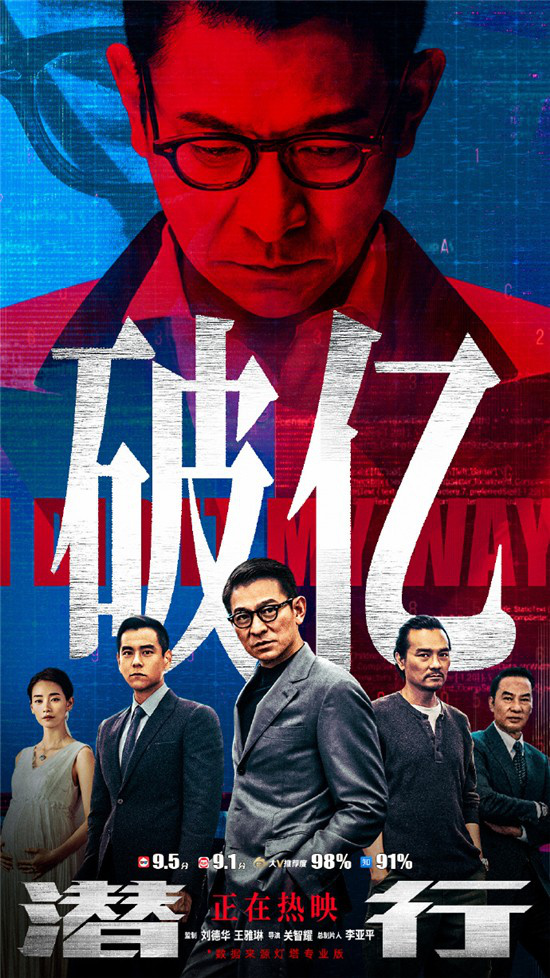


Ministry of Transport: In June, the online car-related supervision information interactive system received 763 million orders, up 3.7% from the previous month.

  Cctv news: According to the WeChat WeChat official account news of the Ministry of Transport, according to the statistics of the network car supervision information interaction system, as of June 30, 2023, a total of 318 network car platform companies across the country have obtained the business license of the network car platform, an increase of 5 from the previous month; A total of 5.79 million driver’s licenses and 2.434 million vehicle transport licenses were issued in various places, up 3.7% and 3.3% respectively from the previous month. In June, the network car supervision information interaction system received a total of 763 million orders, up 3.7% from the previous month. Judging from the situation this month, it has the following characteristics:

  1. Among the top 10 online car platforms in terms of order volume, the highest order compliance rate is to enjoy the road trip, and the lowest is to spend the pig trip.Among the top 10 platforms in terms of order volume, the order compliance rate (referring to the proportion of orders in which both drivers and vehicles are licensed) is from high to low, namely, enjoy the road trip, such as Qi trip, take China trip, T3 trip, Wanshun call a car, use the car in time, Cao Cao trip, sunshine trip, Didi trip and Flower Pig trip. The top three orders in this month’s order compliance rate growth are traveling with China, such as traveling in Guangzhou, and traveling in the sunshine. The last three places of growth are Didi Chuxing (-0.8%), Flower Pig Chuxing (-1.1%) and Timely Car Use (-4.7%).

  Among them, the platform (commonly known as "aggregation platform") facing passengers and providing services together with the network car platform company completed 218 million orders, up 4.0% from the previous month. The order compliance rates from high to low are Didi Chuxing, Gaode Taxi, Flower Pig Chuxing, Meituan Taxi, Baidu Taxi, Tencent Travel and Ctrip Car.

  2. Among the major central cities, the highest order compliance rate is Hangzhou, and the lowest is Dalian.Among the major central cities, the order compliance rate from high to low is Hangzhou, Shenzhen, Xiamen, Guangzhou, Haikou, Zhengzhou, Chongqing, Lanzhou, Qingdao, Fuzhou, Tianjin, Nanning, Nanjing, Ningbo, Jinan, Nanchang, Hefei, Chengdu, Taiyuan, Changsha, Xi ‘an, Guiyang, Hohhot, Changchun, Wuhan, Yinchuan and Xining. Among them, the order compliance rates of 18 cities including Hangzhou, Shenzhen, Xiamen, Guangzhou, Haikou, Zhengzhou, Chongqing, Lanzhou, Qingdao, Fuzhou, Tianjin, Nanning, Nanjing, Ningbo, Jinan, Nanchang, Hefei and Chengdu are all above 80%. Nanning, Chengdu and Chongqing are the top three places in this month’s order compliance rate growth; The last three places of growth were Harbin (-5.6%), Xining (-7.3%) and Shenyang (-8.9%).