
Kiyoshi Kurosawa and Ryūsuke Hamaguchi are probably the most eye-catching pair of apprentices and apprentices in Japanese cinema in recent years.
In 1997, Kiyoshi Kurosawa became famous in the First World War with "The Holy Rule of X", and in 2003, he took part in the Palme d ‘Or competition at Cannes Film Festival for the first time with "A Bright Future", and has since become a frequent visitor to international art film festivals.
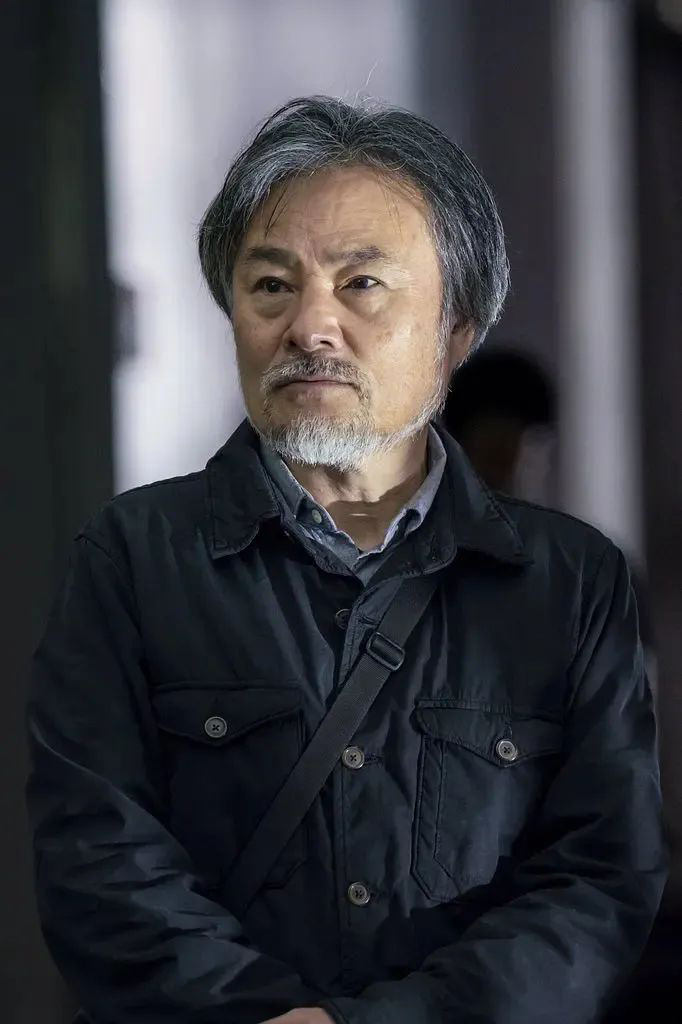
Kiyoshi Kurosawa
At this year’s Berlin Film Festival, Ryūsuke Hamaguchi’s new short film collection "Accidental and Imagination" won the grand prize of the jury, making him truly rank among the first-line art directors.
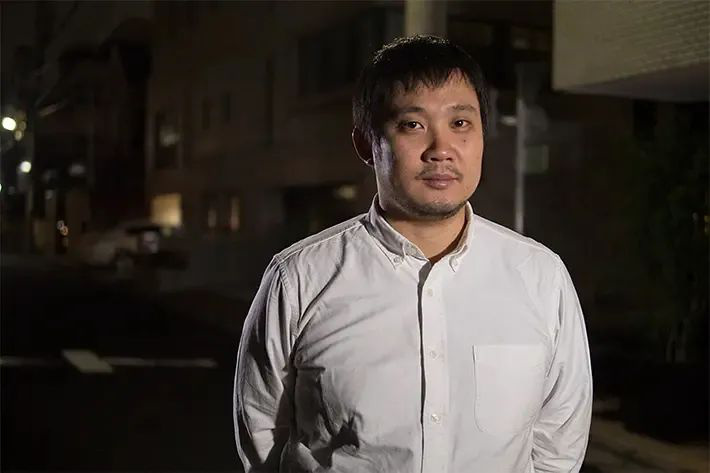
Ryūsuke Hamaguchi
At last year’s Venice Film Festival, the suspense film "The Spy’s Wife", which won the Silver Lion Award for Best Director for Kiyoshi Kurosawa, was a masterpiece written by the master and apprentice.
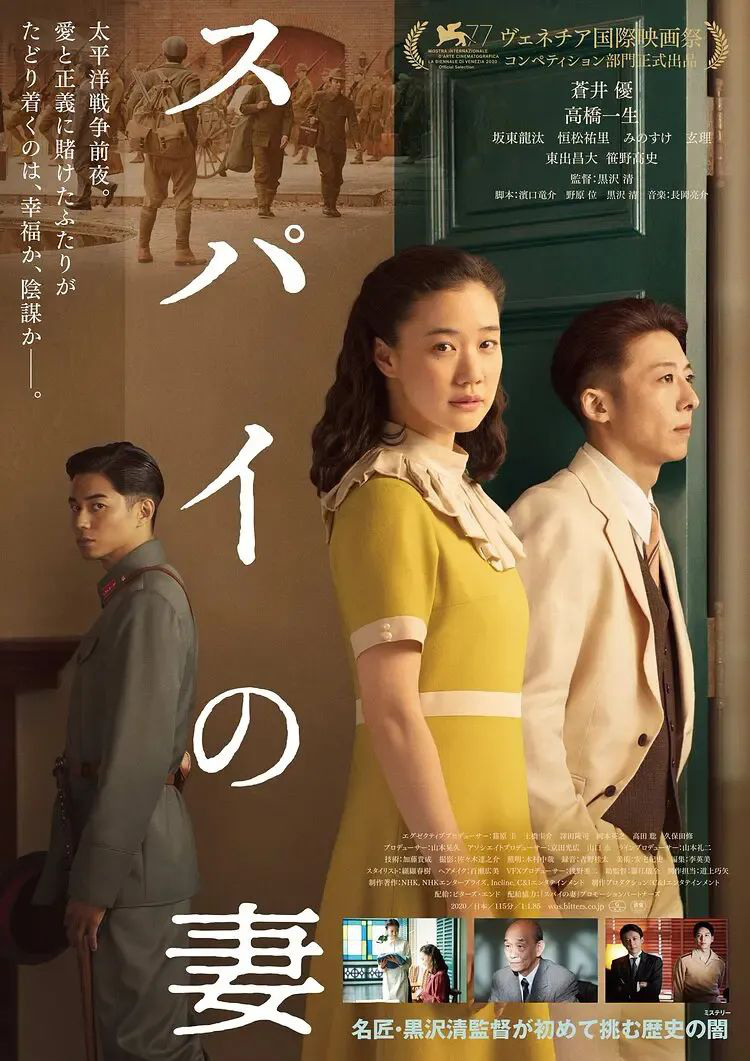
The film is set in Japan on the eve of the Pacific War.
Yuu Aoi’s wife, Reiko Fukuhara, and Issei Takahashi’s husband, Yukihara, are very affectionate.
As a silk foreign trade businessman, I love movies and shoot short films with my wife and nephew in my spare time. The young and beautiful Lizi is very supportive of her husband, and she tries her best to be the heroine. Her acting skills have been well received by friends and colleagues.
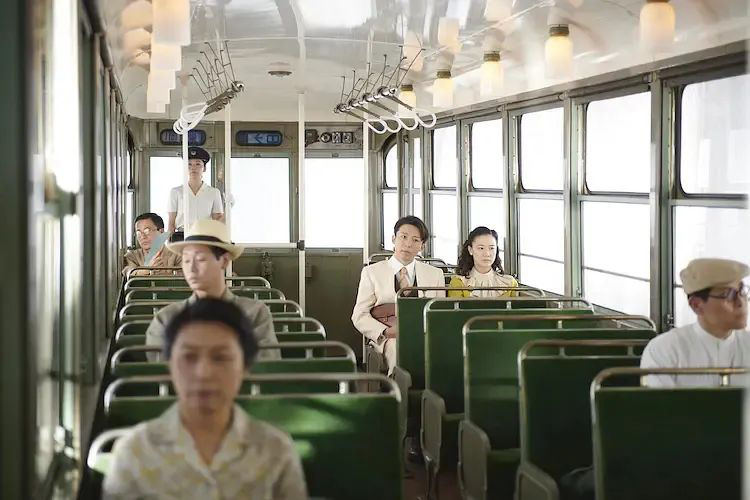
The peaceful marriage life was broken by her husband’s business trip.
The husband who went to Manzhouli, a business trip in the Japanese-occupied area, repeatedly delayed his return, and finally hoped that he would come back safely, but Lizi found that her husband had brought back a mysterious woman, Yuko.
When Lizi had doubts about marriage, Yuko died suddenly, and the male feelings of his nephew Takeshita changed greatly. His childhood friend and senior military police official Taizhi suddenly questioned him. Lizi realized that her husband’s secret was something else.
In order to save the marriage and find out the truth, Lizi began a long struggle with countless secrets.
Is the husband a traitor or a spy? Should I believe in love or stand on the side of Japan’s national interests?
Do you want to be the wife of a spy who has traveled across the ocean, an international pacifist who marries her husband, or a patriotic "traitor" who handed in the experimental evidence of the 731 bacteria unit that her husband protected with his life?
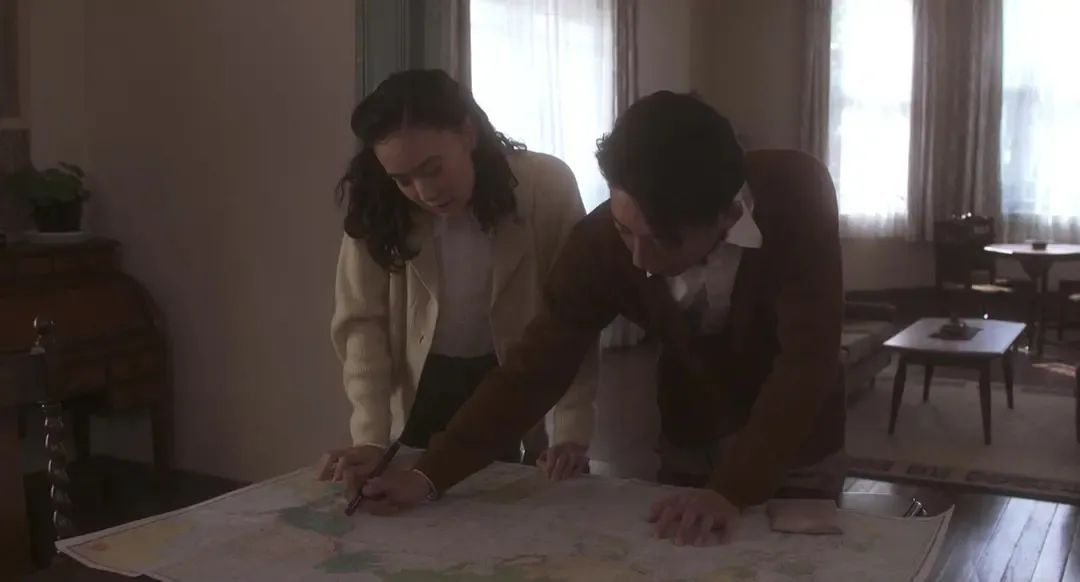
Although The Spy’s Wife is classified as a suspense film, it has a strange texture in the hands of the eccentric Kiyoshi Kurosawa.
Kiyoshi Kurosawa, who made a living by shooting genre films in his early years, did not follow any "mode" or "framework" and completely jumped out of the audience’s imagination.
When you think about it carefully, the information and materials that constitute the "suspense" of the film have actually been released within 15 minutes of the opening of the film.
For example, Lizi’s belief in love, her affair with Gendarmerie Taizhi, her husband’s international vision of the future of his home country, the panic in Japanese society before World War II, and Lizi’s self-made short film with her husband.
As for the bacteria test of Unit 731, which was secretly conducted by the Japanese army in Manzhouli, its historical details, its secrecy and evil are even more unforgettable as an audience in China.
All the "suspense" in this film may focus on the heroine, Yuu Aoi’s Fukuhara Lizi.
The overall situation of the whole film seems to be decided by the husband who has the evidence and the Taizhi who has the power and force; However, it is not difficult to see from the title of the film "The Spy’s Wife" that the real protagonist of this film is Ryoko Fukuhara.
Her search for the truth, her struggle between right and wrong and small love, her transformation from an ordinary housewife to a female spy with intelligence, her decline from a middle-class woman with a happy family to a homeless and imprisoned in a mental hospital.
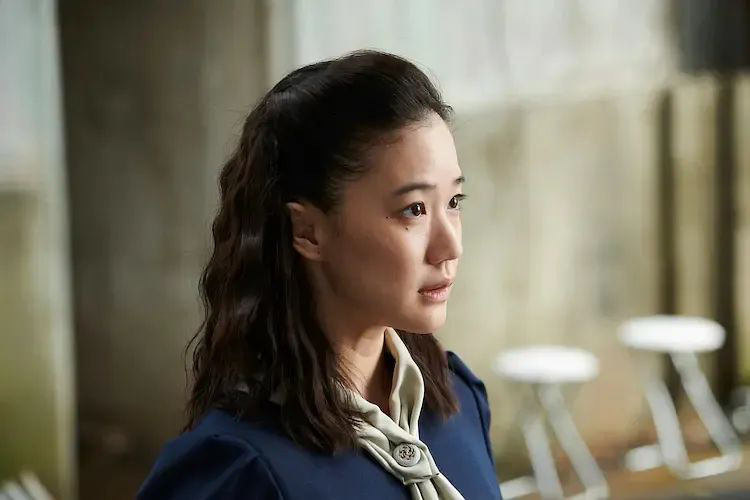
In the bright and soft lens of Kiyoshi Kurosawa, Lizi and Yuu Aoi, who entered the bottleneck period of performing arts, bloomed amazing light: laughing, looking back, running, walking in Tokyo, avoiding tracking, hiding in the cabin …
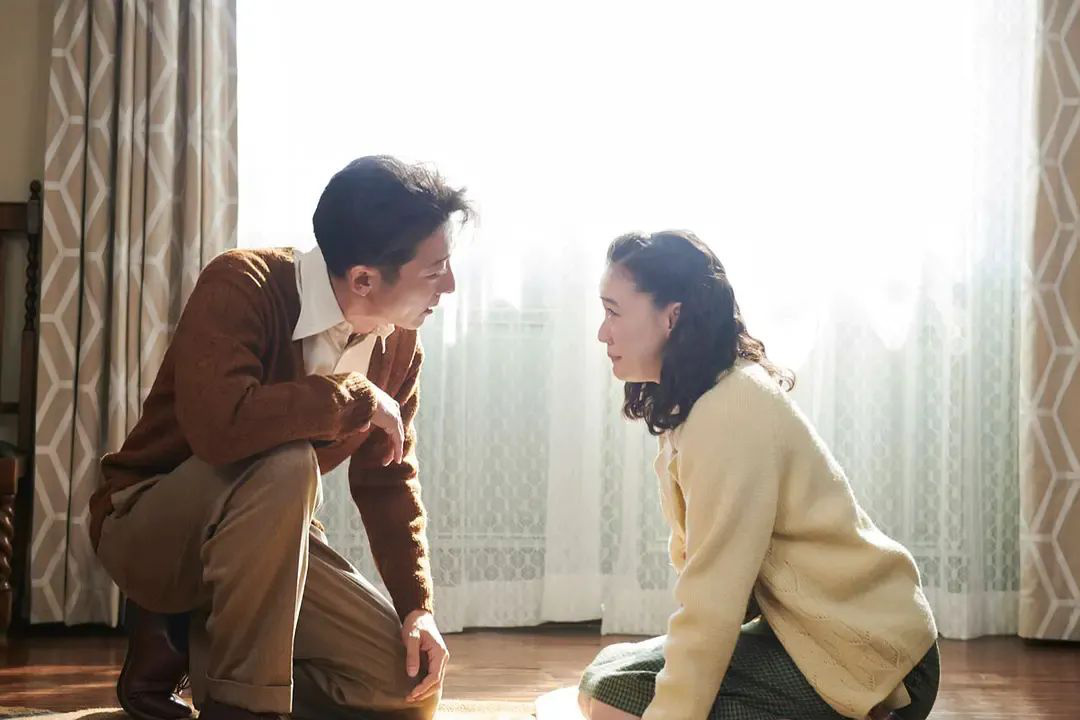
In Kiyoshi Kurosawa’s stage frame, the audience and Lizi walk gracefully among the flowing scenes, and they are at a loss for the future, looking forward to adventure and optimistic about the future.
The male characters who indulge in politics, righteousness and violence are dwarfed and become poor and despicable little schemers.
Like most women in Kiyoshi Kurosawa’s films, Lizi presents a flowing texture. Her personality is elusive and cannot be summarized, and she is so happy that she looks angry. It seems that love is drifting with the tide and changing in a flash, but it reflects the evolution of the whole era.
It seems that the background color of women is innocence. Innocence cannot make miracles happen, but innocence itself is a miracle.
It’s not the first time that Kiyoshi Kurosawa expressed his left-wing political stance as an international pacifist through the mouth of characters in movies.
Of course, "The Spy’s Wife" is not a political film. Kiyoshi Kurosawa said during the Venice Film Festival that this film is an entertainment film-in dealing with serious themes such as war, "The Spy’s Wife" is soft and violent, and is committed to relaxation.
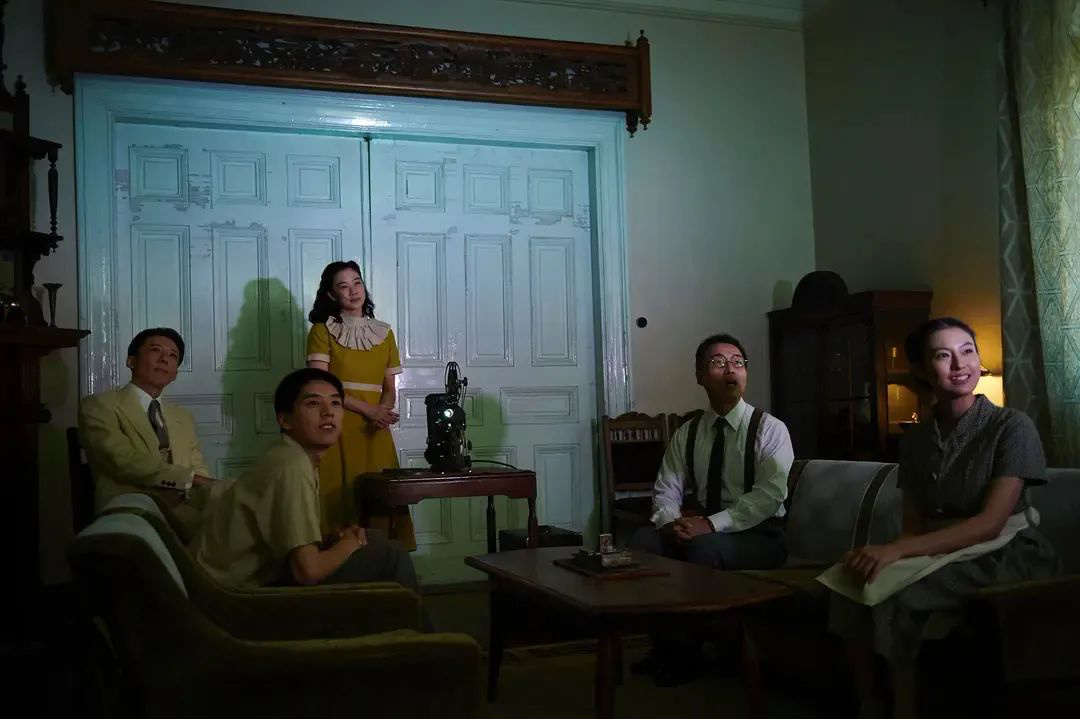
This is also a rare historical masterpiece of Kiyoshi Kurosawa. Ironically, Kiyoshi Kurosawa was asked to shoot The Spy’s Wife with an 8K digital camera.
It is true that the most acclaimed art film director has to use the most advanced digital camera to shoot a film of the times that clearly misses celluloid.
There are several scenes where Fukuhara and his wife watch an 8 mm home movie on the projector screen in the dark-and the audience also watch the play in the dark, and watch a belated truth about World War II disguised as an entertainment product.
Previous content

Set Ifeng movies as stars.
You can receive our news more quickly.
All support for originality ~