On July 30th, the special event of 2023 vivo Video Festival was officially held, and the latest exploration achievements of vivo in the field of image technology and culture were announced. Focusing on the three technical bases of optics, computing power and algorithm, vivo released a brand-new 6nm process self-developed image chip V3 and algorithm matrix, shared the latest achievements of AIGC, and joined hands with Zeiss to launch major technical achievements such as telephoto lenses that meet the brand-new standard "Vario-Apo-Sonnar".
    Further strengthen independent innovation, release self-developed chip V3 and image algorithm matrix.
    In this activity, vivo newly released the self-developed image chip V3 with 6nm process technology. With the newly designed multi-concurrent AI perception -ISP architecture and the second generation FIT interconnection system, the energy efficiency ratio increased by 30% compared with the previous generation. V3 image chip can bring users the super experience of 4K movie portrait mode, such as movie-level Jiao Wai blur, automatic subject focus detection and switching, movie-level skin optimization and movie color processing. Its technical strength makes vivo a mobile phone manufacturer that can realize 4K movie portrait video and 4K post-shoot editing function of Android.
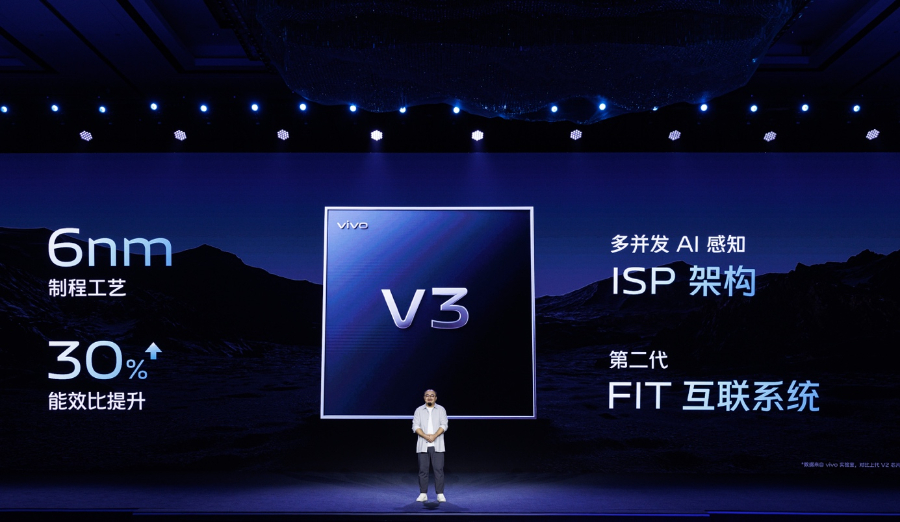
Vivo released a brand-new 6nm process technology self-developed image chip V3.
    In addition to the self-developed chip upgrade, vivo has also built a comprehensive composite algorithm matrix from technology to scene, which includes a big engine and two big systems. The new vivo original image engine VOIE(vivo origin imaging engine) comprehensively improves the basic algorithm ability of vivo from three sub-modules: ultra-clear image quality, color reproduction and computing power acceleration, and upgrades the image quality, color tone and computing power. At the same time, based on the moving image theory system of "real world-imaging system-post-processing algorithm" and combining the core user scenes of portraits and night scenes, vivo has created two major image systems, namely, the super-touching image system and the sky night scene system, which has continuously consolidated the accumulation of underlying technologies of vivo in portraits and landscapes and continuously led the era of computational photography.
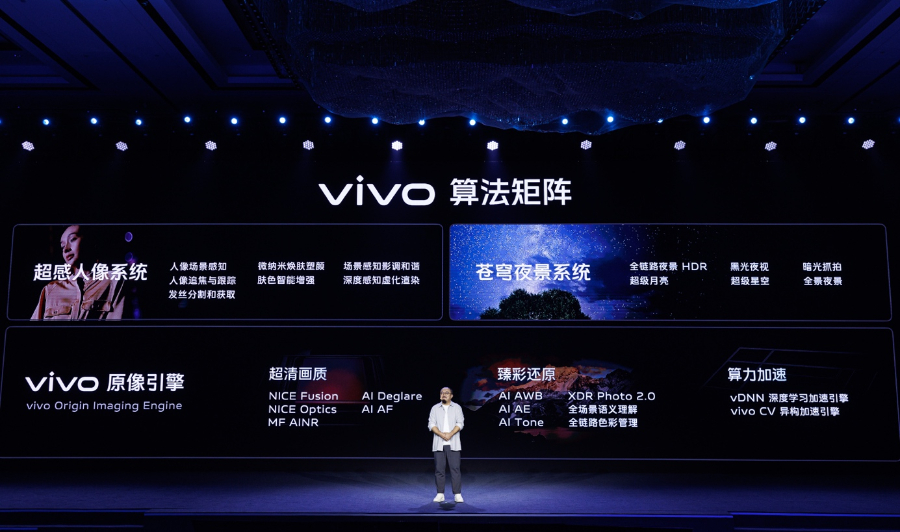
Vivo algorithm matrix
    Deepen joint innovation again and build a prosperous image ecosystem.
    Vivo creates great products for users through joint innovation with universities and enterprises. At the university level, vivo and Zhejiang University, Zurich Federal Institute of Technology and other universities at home and abroad explore basic frontier theories and technologies such as AI frontier network design and image quality. At the enterprise level, vivo also maintains close cooperation with all partners. Among the numerous cooperations, vivo has continuously strengthened its long-term and in-depth cooperation with Zeiss, the market leader in the optical field, and has been iterating over Zeiss optical lens, Zeiss T* coating and ZEISS Look.
    Vivo and Zeiss continue to explore new lens design and launch telephoto lenses that meet the new standard "Vario-Apo-Sonnar". Vario-Sonnar, as a compact optical lens design, has excellent imaging quality, excellent sharpness and large aperture. Combined with APO design applied to mobile imaging system, it can greatly improve the zoom quality of mobile phones. This telephoto lens also adopts floating lens group technology, which has extremely high resolution and focusing ability. Its creamy blur effect can further highlight the subject, and can realize telephoto landscape photography, macro photography and telephoto close-up portrait photography, taking into account the diverse demands of users for telephoto and macro photography.
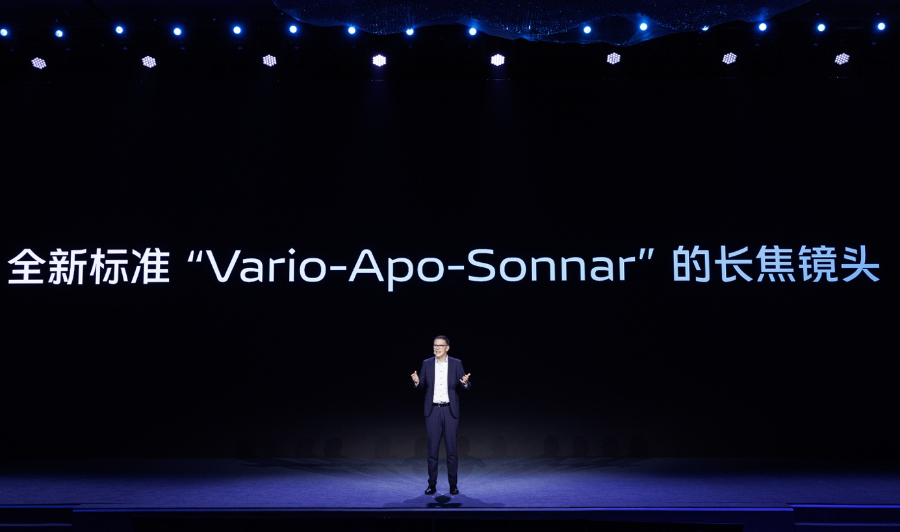
Vivo and Zeiss jointly launched a telephoto lens conforming to the "Vario-Apo-Sonnar" standard.
    The new generation of vivo X90 Pro+ all-P lens adopts ALC coating technology, and its single lens reflectivity is reduced by 42.8% compared with the previous generation. In order to further suppress glare and ghosting, the newly upgraded Zeiss T* coating will be equipped with Multi-ALD technology and will be equipped on the main camera of the next generation vivo X series flagship model. The reflectivity of the lens center will be reduced from 0.2% to 0.1%, which is 50% lower than that of the previous generation ALC coating, thus bringing clearer picture performance.
    Vivo and Zeiss jointly created products around ZEISS Look, jointly recreated the classic blur style of Zeiss lens, and launched Zeiss lens packages with various styles, such as Zeiss Biotar blur style, Zeiss Cinematic blur style, Zeiss Cine-Flare flare portrait, so that users can also experience the unique blur effect of professional photography lenses on their mobile phones. In order to meet the pursuit of professional users, the two sides also jointly launched Zeiss natural colors to truly and accurately restore what they see.
    In addition to in-depth cooperation in product innovation, vivo is also committed to more diversified and extensive cooperation with Zeiss, so that more users can enjoy the joy of creation through smart phones with cutting-edge imaging technology.
    In-depth creation of professional portraits and extreme night scenes, and continuous empowerment of professional imaging experience.
    As the main track of vivo images, vivo has been building its professional portrait shooting ability. vivo has always been aiming at "mobile portrait master", and has continued to precipitate in the field of professional portrait shooting. Combined with its own hardware capabilities, it has continuously upgraded its super-touching portrait system, forming a unique portrait style of vivo with "clear characters, natural skin color, and gradual degree of reality and reality", bringing the portrait style that users like to smart phones, bringing more intelligence, clarity, beauty and prominence.
    In addition to the continuous exploration in the traditional portrait track, vivo is also actively involved in the research and development of future images and 3D portrait technology, and makes innovations and attempts in two new technical directions: portrait 3D reconstruction perception and virtual content. For this reason, vivo has established Chongqing 3D imaging laboratory and set up a film-and-television light field system, which can reconstruct a "pore-level" 3D model of human body and achieve a more realistic and high-fidelity rendering visual effect in virtual environment. With the underlying data support of historical products and the capability reserve of the three major portrait 3D perception algorithms with face, human body and gesture as the core, the system can accurately capture and drive the interactive perception of facial expressions, human gestures and gestures.
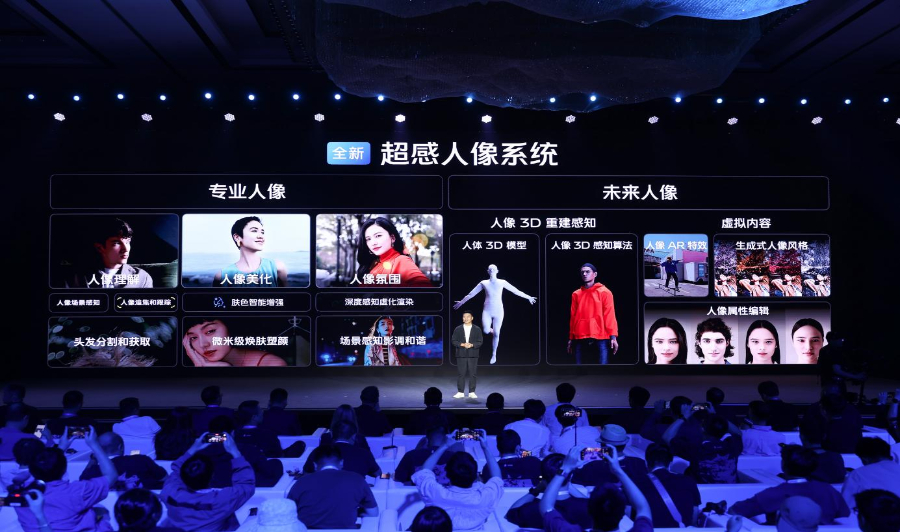
Vivo brand-new super touching image system
    Based on the perception ability of portrait 3D reconstruction, vivo superimposes AIGC algorithm to create three application scenarios: generative portrait style, generative portrait editing and various portrait AR special effects. Among them, the generative portrait style allows users to take more natural photos of virtual and real scenes through vivo mobile phones, and realize the humanized experience of "shooting portraits of the four seasons without leaving home". Generative portrait editing can let users re-edit lighting, age, hairstyle, expression and other contents based on their own preferences through techniques such as texture reconstruction and illumination estimation algorithm. In addition, based on the stable mobile portrait 3D perception technology, vivo also provides a variety of portrait AR special effects to continuously activate users’ creative enthusiasm.
    In terms of scenery shooting and night scene imaging, vivo has been steadily upgraded in three aspects: image quality, tone and color.
    In order to present users with clearer image quality and realize the freedom of night scene creation, vivo has built an advanced image quality solution based on the Sky Night Scene System, which can realize the super night scene with full focus. Its upgraded version of SuperRAW technology will also support all rear cameras, which can meet users’ needs for wider night scene post-adjustment.
    In terms of tone and color, vivo is also constantly exerting its strength to present a night scene effect full of atmosphere. Based on VOIE, the original image engine of vivo, the new Sky Night Scene System focuses on introducing Zhencai Night Scene Model, which can learn AI based on millions of night scene photos, and realize its own tone and color adjustment for night scene. Full-link night HDR function can greatly optimize the overall look and feel of preview, shooting, display and other links in the night scene with strong contrast between light and dark, and bring users a dazzling night scene atmosphere. In addition, the newly upgraded XDR Photo 2.0 adds a highlight color protection mechanism for the artificial light source with high dynamic and high saturation at night, which can improve the overexposure of highlights without affecting the color performance of the light source and retaining the night scene atmosphere.
    Accurate expression of color is very important for image creation, but a single color style can not meet the diverse needs of users. Therefore, on the basis of the vivid colors of vivo, which are loved by users, and the natural colors of Zeiss, which give professional photographers more space in the later period, vivo draws inspiration from representative films and master photography works, and introduces the rich, delicate and personalized texture colors of vivo on the flagship product X90s. After the introduction of vivo texture color, it has been recognized and loved by professional photographers such as Alex Webb and many users. In order to better meet users’ demands, vivo X Fold2, X Flip and X80 series will be upgraded in September.
    In recent years, vivo has encouraged "paying attention to the present and praising the daily life" and responded to the era of "everyone is a creator" through a series of humanistic video activities such as the video plus mobile phone photography contest and the FIRST ultra-short film contest. In 2020, vivo opened the first video plus mobile phone photography contest. Up to now, vivo users from more than 40 countries and regions around the world have participated in it, and nearly one million works have been collected. At the special event of this video festival, the winners of the 2023vivo Video Plus Mobile Phone Photography Competition were announced. Photographers Jiehan Herry Saputro and Jiang Xinyuan won the Best Work of the Year and the Zeiss Professional Video Award respectively for their works Let me Fly and Dreaming, while photographers Ma Chen and Wei Dong won the "X90 Series Best" for their works The Eyes of Lan Bing and The Tension of Life. At the event site, vivo also shared a group of special works "A Photography Class in the Mountain", telling the story of two girls’ lives changed by photography, and writing new possibilities for the distant places that images can reach.

Best work of the year: Jiehan Herry Saputro "Let me fly"
    In the future, vivo will continue to take the user’s needs as the origin, gain the shooting experience of every ordinary creator with the help of professional imaging technology, enrich the ecology and connotation of mobile image creation, adhere to the initial intention of "scientific and technological intentions, images from the heart", and let "humanized professional images" benefit more mass creators.